South Jordan keeps growing, and every change in land use affects people who plan to buy or build. A recent update from the Jordan Valley Water Conservancy District (JVWCD) may look simple, but it could lead to more requests for an ALTA Land Title Survey. When a public agency reviews its “trust lands,” it often means something new might happen. Buyers and developers want to know what those changes mean for their property or future plans.
Trust-land reviews sound technical, but they matter to anyone in South Jordan. These reviews can lead to land sales, new easements, or new development areas. Because of that, ALTA surveys help people understand how these changes may affect them.
A Quiet Notice That Signals Movement
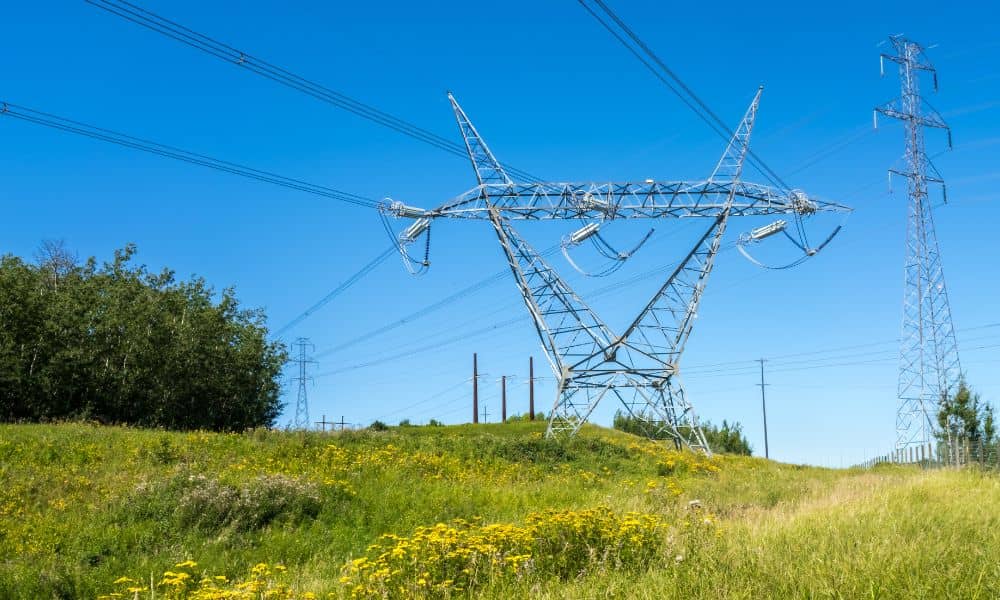
JVWCD recently shared documents showing that several trust-land parcels are under review or may be sold. This means the water district could change how these areas are used. Some of these parcels sit near major utility lines, so even a small shift can affect nearby land.
When trust lands change status, a chain reaction often follows. Roads may extend. Utility routes may shift. New lots may open up. Developers want to move early when they see a chance to build something new. Lenders also want updated details before they approve any loans. All of this creates a higher demand for ALTA surveys.
Why Trust-Land Reviews Matter to Buyers and Builders
Water districts control more land and easements than most people think. JVWCD manages access routes, underground pipes, and areas for future maintenance. When the district reviews its trust lands, it may also adjust where these easements sit.
A commercial buyer may need to know if a waterline could grow closer to the property. A developer planning a subdivision needs to understand if a maintenance route could cut across a lot. These details affect building plans, parking layouts, and the total space someone can use.
Because of all this, many buyers and builders talk with land survey companies early in the process. They want a clear picture of what might change before they commit to a site. Without updated survey information, they could face delays or unexpected costs. ALTA surveys help them avoid those surprises by showing accurate boundaries, easements, and access points so they can make smart decisions.
The Link Between ALTA Surveys and New Opportunities
When trust lands change status, many people expect new activity. Developers often follow parcels near utility land, since these areas tend to be open and ready for plans. Once parcel reviews begin, interest grows quickly.
ALTA surveys become important during this time because they answer key questions. Buyers want to know where easements run. Builders need to understand future utility layouts. Investors want to confirm access before making offers. Even a small change in land use can shift the entire project plan for a site.
Because of this, ALTA surveys are often ordered early. Developers want to spot issues before they spend money on designs. Lenders want proof that the land matches the title records. Planners need accurate maps before building anything. As trust lands move through review, the need for ALTA surveys rises fast.
Real-Life Scenarios That Show the Impact
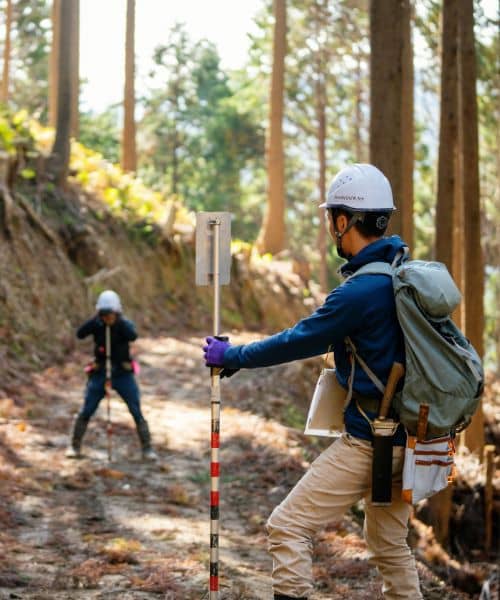
Imagine a developer who notices a trust-land parcel that may soon be released. Since the land sits near a utility corridor, the developer orders an ALTA survey to see how waterlines shape the buildable area. The survey shows where setbacks fall and how far construction must stay from the pipeline.
Picture a commercial buyer looking at a property beside JVWCD land. After the trust-land review notice, the buyer wants to know if new easements will affect the parking layout or traffic flow. The ALTA survey shows how future easements could change the lot.
Think about a builder planning a warehouse along a pipeline route. The trust-land review suggests that some utility lines may shift. The builder orders an ALTA survey to check where those new easements may appear. With this information, the builder adjusts the design early and avoids costly changes later.
These examples show how trust-land reviews lead to quick decisions and more ALTA survey orders.
What Local Owners Should Watch in the Coming Months
People who live, buy, or invest in South Jordan should keep an eye on JVWCD updates. The next set of meetings or public notices may include more details about which parcels will change. These updates can affect the land around them.
Homeowners may want to check if new easements could impact fences, landscaping, or home additions. Developers should watch any movement tied to trust-land parcels. Commercial buyers should look for signs that utility routes might expand.
All these changes connect back to boundaries, access, and easements. Because of that, many people will depend on ALTA surveys to understand the full picture.
Why Local Surveyors Play a Big Role During Trust-Land Changes
Local surveyors who know JVWCD routes and past decisions have an advantage. They understand how water-district easements usually work and where older utility lines run. This helps them find the right records and map the land quickly.
When trust lands shift, buyers and builders want answers fast. A local surveyor can respond right away because they know the history of the area. They also understand how JVWCD updates land use, which helps keep projects on track.
Conclusion:
A simple trust-land review can lead to major changes. When land-use plans shift, buyers and builders need clear information. The ALTA Land Title Survey gives them answers they can trust. As JVWCD continues to review its trust lands, more people will look for surveys that protect their projects and money.
Anyone planning to buy, build, or invest in these areas should watch for updates and act early. With a solid survey, they can move forward with confidence and stay ahead of future changes.