Utah’s real estate market is booming. New developments pop up every month. Property values climb. Competition between buyers intensifies. In this fast-paced environment, a land surveyor has become essential for developers and serious buyers who want to avoid expensive mistakes.
A professional survey does more than confirm where your property lines sit. It reveals what you can actually build. It shows you what already exists. It clarifies access. It protects your investment. For developers and buyers, getting a survey done early means sleeping better at night.
Understanding What a Land Surveyor Actually Confirms
Your local land surveyor verifies five critical things that affect your buying decision:
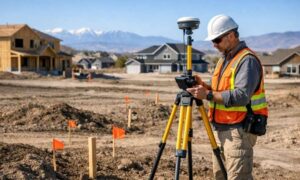
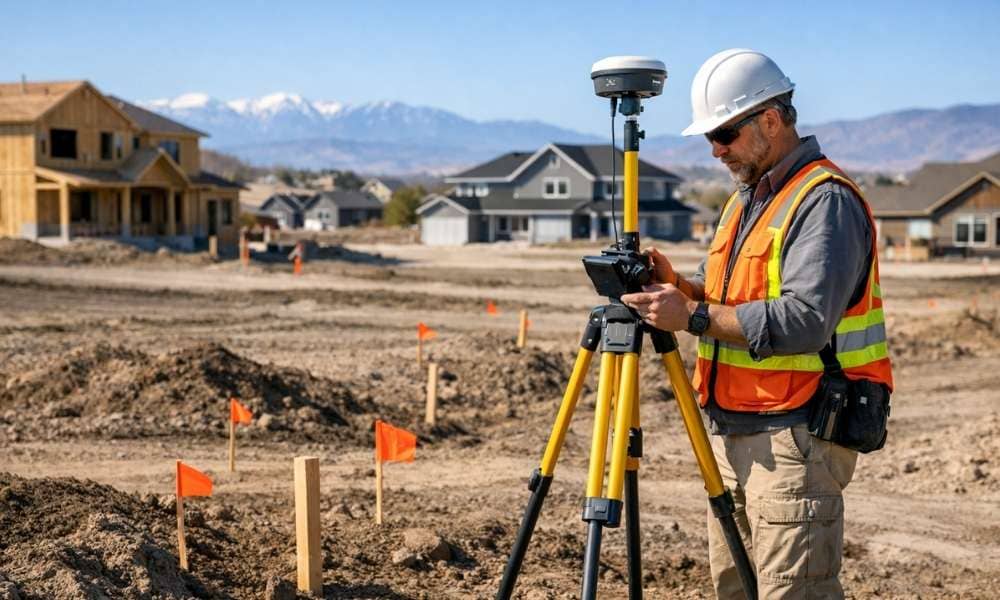
Boundary accuracy. The surveyor locates where your property actually begins and ends. Deeds sometimes contain errors. Property descriptions written decades ago may not match current conditions. A surveyor uses GPS technology and field measurements to confirm the real lines.
Structure placement. Existing buildings, fences, sheds, and other structures get marked on the survey. You learn if the neighbor’s fence sits on your land. You see if the garage aligns with setback requirements. This matters before you buy.
Site features. Wetlands, utility lines, easements, and rights-of-way show up on the survey. You can’t build in a wetland. You can’t have a structure over a gas line. These restrictions shape what’s developable.
Topography. Utah has hills and varied terrain. The surveyor documents slopes and elevation changes. This affects drainage, foundation costs, and building feasibility.
Encroachments. The survey reveals if neighboring properties extend onto your land. It shows if you’re encroaching on theirs. Catching this before purchase prevents legal disputes later.
A surveyor doesn’t guess. They measure. They research recorded documents. They compare deed descriptions to ground reality. This difference between assumption and evidence is where buyer confidence gets built.
Why Utah’s Fast-Growing Housing Market Makes Surveys More Important
Utah ranks among the fastest-growing states. The Salt Lake City metro area adds thousands of residents annually. This growth creates specific survey challenges.
Subdivisions happen quickly. Developers rush to meet demand. Lot layouts sometimes get confused. Original survey records get lost or mislabeled. A fresh survey clarifies what was actually recorded versus what the developer claims.
Older deeds meet new development. Rural land suddenly becomes residential. Old boundary descriptions were vague. “The back forty acres” meant something different in 1952. Modern surveys apply current standards to outdated documents.
Zoning and setback changes. Utah cities update codes frequently. A structure that was legal in 2015 might violate current setback requirements. A surveyor knows what codes apply today and what your property can actually support.
Utility infrastructure expands. Water lines, sewer lines, power lines, and fiber optic cables get installed constantly. These easements affect what you can do with your property. Missing them during due diligence costs money.
Adjacent properties shift. Utah’s growth means old pastures become subdivisions. Your “rural” neighbor suddenly builds a commercial development. Property lines matter more when density increases.
Developers buying raw land face these exact problems. A survey eliminates the guesswork.
How Survey Findings Reduce Uncertainty Before You Commit to a Property
You’re about to spend hundreds of thousands of dollars. A survey costs $500 to $2,000. The math is simple.
Usable acreage. The deed says you own 5 acres. The survey shows 4.2 acres are actually buildable. The rest sits in an easement or floodplain. Knowing this before purchase changes your offer price.
Access confirmation. You need a road to reach your property. The survey shows whether you have legal access. It identifies if access crosses someone else’s land. It clarifies maintenance rights and shared access agreements.
Utility locations. Underground lines appear on the survey. You know where to avoid digging. You know what easement width means. You plan your building placement accordingly.
Boundary disputes prevented. A surveyor sets permanent markers. These get recorded. Future disputes reference official documentation, not neighbor conversations.
Environmental restrictions. Wetlands, floodplains, and protected areas show clearly. You avoid regulatory surprises. You plan development without hitting compliance roadblocks later.
Setback compliance. Before buying, you know what structure sizes and placements work. No surprises after closing. Your development timeline stays on track.
Developers who skip this step often face choices later: modify your plan, pay to relocate utilities, or abandon the project entirely. None of these options beat paying for a survey upfront.
What Buyers Should Pay Attention to When Reviewing a Survey Report
Your surveyor hands you a detailed map. Don’t just file it away. Review these specific items:
Monument locations. These are the marked corners. Look at the legend. Understand which monuments are set, which are found, and which are measured from. This tells you how reliable the boundaries are.
Boundary lines. Follow the thick lines on the map. Confirm they match your deed description. Note any discrepancies.
Structures and improvements. Every building, fence, driveway, and deck appears. Check if any structures encroach on the property line. Check if neighboring structures sit too close.
Utilities and easements. Power poles, gas lines, water mains, and sewer lines get marked. Shaded areas show easement widths. These areas aren’t fully yours to develop.
Topography and contours. Lines showing elevation changes appear on some surveys. Steep slopes limit building options. Flat areas near wetlands might have drainage issues.
Scale and notes. The map includes a scale bar. Use it to measure distances. Read all surveyor notes. They explain unusual conditions or limitations.
Comparison to deed. Compare the survey map to your deed description. They should match. If they don’t, ask the surveyor for clarification.
Take 30 minutes to really look at your survey. Ask your surveyor questions. This document shapes your entire property strategy.
When Hiring a Local Surveyor Becomes a Smart Risk-Reduction Step
Timing matters. Here’s when to hire a surveyor:
Before you make an offer. Some developers survey before bidding. This costs money upfront but reveals problems before you commit. Smart move if the property shows any red flags.
During your due diligence period. Most purchase agreements include a clause allowing surveys. Use this window. Hire immediately after offering acceptance. Results inform your final decision.
Before major development. If you’re planning to subdivide, you need a current boundary survey. If you’re adding structures, a survey confirms setback compliance. Do this early in your planning.
When deed descriptions are vague. Old properties, rural properties, or properties with recorded disputes benefit from fresh surveys. The cost is minimal compared to legal fees if problems arise.
Before building permits. Local jurisdictions often require a survey before they’ll issue permits. Get ahead of this requirement. Don’t wait for the city to demand it.
When neighbors dispute boundaries. If anyone questions where your line sits, hire a surveyor immediately. Their official documentation becomes evidence.
Utah’s real estate market rewards prepared buyers. A land surveyor near you delivers clarity. They transform assumptions into confirmed facts. For developers facing fast-paced acquisitions and competitive bidding, a surveyor becomes your competitive advantage. You bid confidently because you know exactly what you’re buying.