Most homeowners never notice survey pins. They look small, rusty, and easy to ignore. In fact, many people mistake them for scrap metal or leftover construction debris. However, those small metal markers carry serious meaning. They serve as physical proof in a boundary survey, and they often decide where your property legally begins and ends.
Recently, several neighbor disputes that spread online started with one simple mistake: someone moved or removed a survey marker. What looked harmless turned into a legal and financial mess.
The Tiny Marker That Holds a Big Legal Role
At first glance, a survey pin does not look important. It might sit flush with the soil or hide under grass near a corner. Sometimes it has colored tape. Sometimes it looks like plain metal. Still, that pin marks a measured property corner used in a boundary survey.
A licensed surveyor places or verifies that marker after studying records and measuring the land. Therefore, the pin does not represent a guess. It represents tested math, legal descriptions, and field evidence combined.
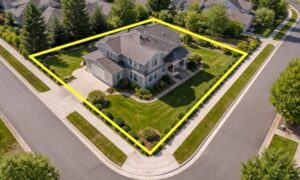
Think of it this way: your deed describes your land in words and numbers. A boundary survey turns that description into physical points on the ground. Survey pins anchor those points in real space.
Why So Many Property Arguments Start at the Corner
Most property line conflicts don’t start with lawyers. They start with projects.
For example, someone builds a fence. A contractor digs post holes. A neighbor extends a driveway. A landscaping crew clears brush. During that work, someone finds a metal pin and pulls it out, thinking it sits in the wrong place.
However, that one action can trigger a chain reaction.
Now the corner lacks visible proof. Each neighbor trusts a different reference — an old fence, a hedge line, or a memory. Soon, both sides feel certain. Yet only one line can be correct. As a result, tension rises fast.
Online dispute stories follow this same pattern again and again. One small marker disappears, and the disagreement explodes. A proper boundary survey usually would have prevented the fight from the start.
Not All Markers Mean the Same Thing
This part surprises many owners. Not every flag or stake marks the true corner.
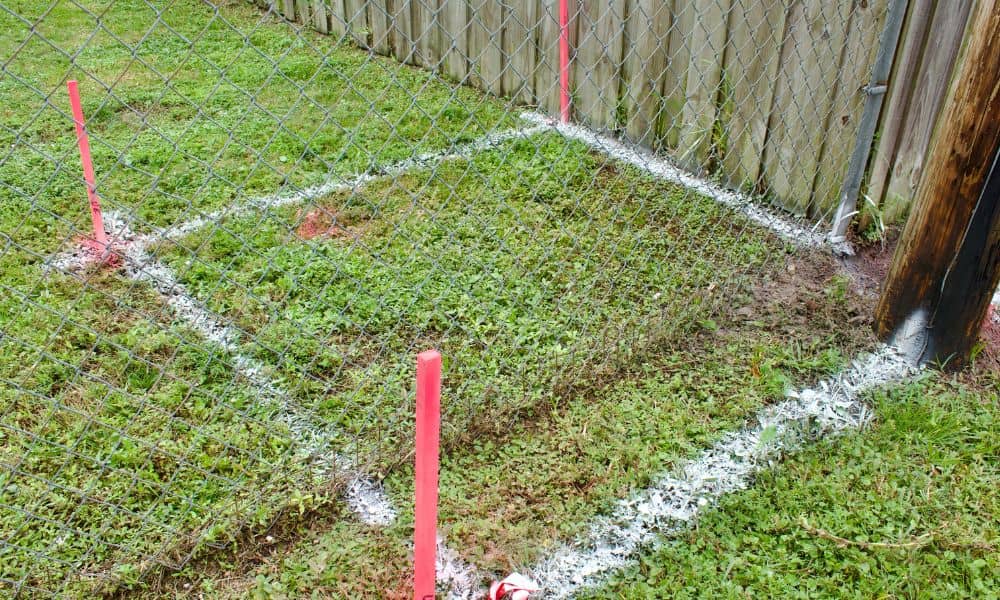
Surveyors use different markers for different purposes. For instance, they may place temporary wooden stakes during active work. They may also use flagged lath to guide crews. Those help during layout, but they don’t serve as permanent evidence.
By contrast, true corner monuments — often metal pins, rods, or capped rebar — hold long-term value. A boundary survey relies heavily on these permanent monuments when they exist and remain undisturbed.
So if you see wood stakes come and go, that’s normal. If you see a metal pin at a corner, treat it with care.
What Happens When a Survey Pin Goes Missing
When a pin disappears, certainty disappears with it. Still, the property line does not vanish — only the visible reference does. Now the next boundary survey takes more time and effort.
A surveyor must rebuild the corner using other evidence. That process often includes:
- measuring from nearby known monuments
- checking subdivision plats
- comparing old survey records
- tying multiple control points together
Consequently, the job becomes more complex. More field time means more cost. Also, more interpretation may invite more neighbor questions.
In short, keeping pins in place protects both clarity and budget.
How Surveyors Recreate Corners Without the Original Pin

Even if a pin goes missing, a skilled surveyor can still recover the boundary location. However, that work requires method and judgment.
Surveyors look at the bigger monument network around your parcel. They measure from several confirmed points, not just one. Next, they compare those measurements with recorded bearings and distances. Then they apply proportional math to fit the block or tract correctly.
Good survey practice follows an evidence priority. Original monuments rank highest. After that come referenced monuments, then record data, then occupation lines like fences. Therefore, a boundary survey does not rely on guesswork. It follows structured rules.
This method explains why two independent surveyors often reach nearly the same corner result when they review the same evidence.
The Most Common Ways Pins Get Disturbed
Most people don’t remove pins on purpose. Instead, normal property work causes the problem.
Fence installation ranks first. Post hole digging often happens right at corners. Next comes grading and landscaping. Heavy equipment can bend or bury markers. Concrete work and driveway widening also create risk. Utility trenching can wipe out shallow monuments too.
Sometimes cleanup crews pull pins because they look like trash. That mistake happens more often than you’d think.
Therefore, smart homeowners tell contractors one key rule: if you find a metal rod near a corner, stop and ask before touching it.
What You Should Do If You Find a Survey Pin
If you discover a survey pin on your property, stay calm and leave it alone. Don’t try to straighten it. Don’t move it. Don’t cover it with concrete or landscaping.
Instead, take a photo and note the location. Then mention it to any contractor working nearby. If you feel unsure about the line, call a surveyor and ask for guidance. A quick review now can prevent a major dispute later.
Also, avoid arguing with a neighbor based only on what you see at the surface. Let a boundary survey provide the proof. Measurements settle debates better than opinions.
Why Boundary Survey Proof Beats Assumptions Every Time
People trust what they can see. Old fences, worn paths, and hedge rows feel convincing. Yet those features often sit off the true line. Only a boundary survey connects legal description, field measurement, and physical monuments into one defensible answer.
Survey pins form a key part of that proof. They give the boundary a physical anchor. They reduce guesswork. They support fair decisions.
So while the marker may look small, its value is huge.
Before you build near a line, question a corner, or challenge a neighbor, get the facts. A boundary survey — and the pins that support it — protect your investment and your peace of mind.