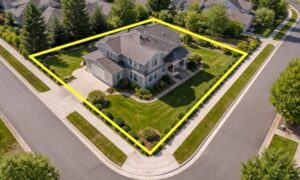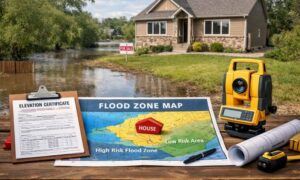
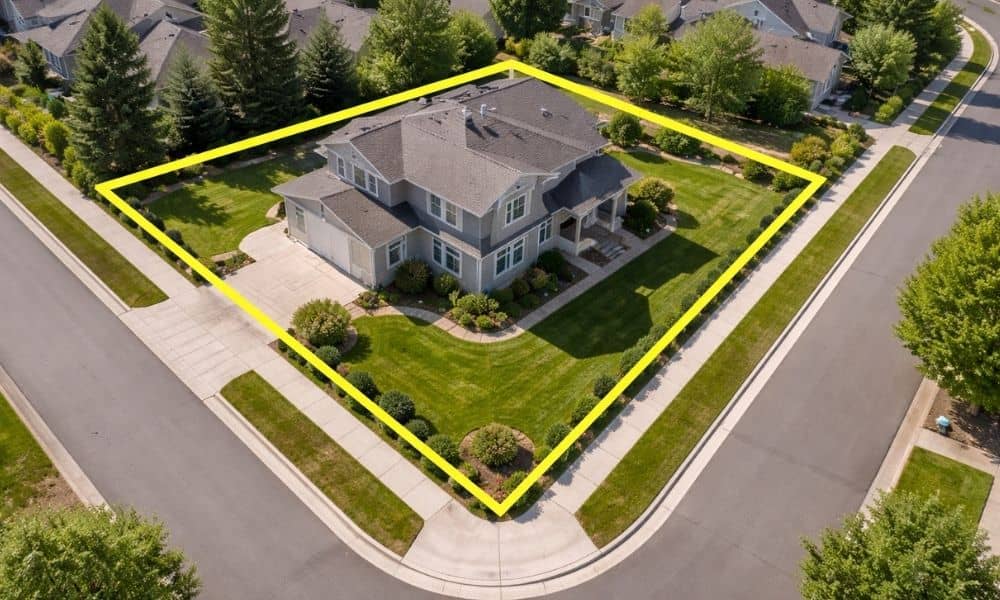
Buying a corner lot can feel like a smart move. The space looks bigger, and the home stands out more. You also get extra street access, which many buyers like. But looks can be deceiving. Some parts of the lot may seem usable, yet they come with limits you won’t notice right away. That’s where a title survey becomes important. It helps you see details that aren’t obvious at first, like where your lot really ends and what areas you may not be able to use. It also gives you a better sense of what a title survey can uncover before you buy, so you don’t run into surprises after closing.
Why Corner Lots Are Not Like Other Lots
A corner lot sits between two streets. That sounds simple, but it changes a lot.
You now have two sides facing public space. Because of that, the city often places more rules on the property. These rules may affect fences, driveways, and even where you can plant trees.
Also, more street frontage means more chances for easements and right-of-way areas. These can take up space that looks usable but is not.
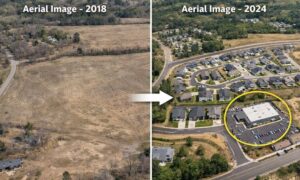
Herriman continues to grow. New roads, sidewalks, and utilities are added every year. Corner lots sit closer to these changes, so they carry more exposure than interior lots.
What You See Isn’t Always What You Own
When you walk on a property, it’s easy to assume the whole open space belongs to you.
The grass looks continuous. The yard feels wide. There may be no clear markers showing where the lot ends.
That can be misleading.
Some parts of the land may fall inside easements. Others may sit near a right-of-way that the city can use later. In some cases, a neighbor’s fence or structure may cross into what looks like your space.
A title survey clears that up. It connects the legal records to what is on the ground. Instead of guessing, you get clear lines and real measurements.
What a Title Survey Can Show on a Corner Lot
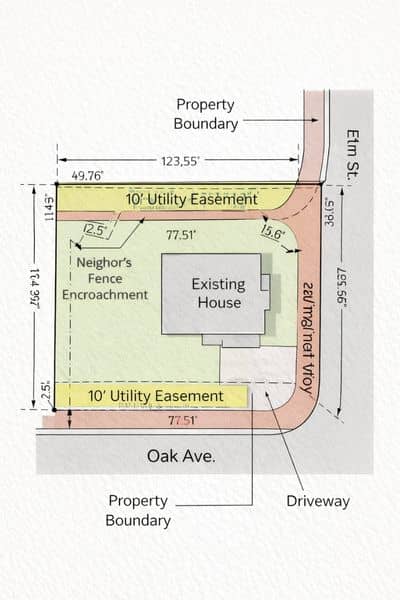
A corner lot has more edges. That means more things can show up on a survey.
You may find utility easements running along one or both street sides. These areas allow access for water, power, or drainage work. You usually can’t build or place permanent items there.
You might also see right-of-way space near the road. This can limit how close you can build or fence.
Encroachments can appear as well. A driveway, fence, or wall might cross into your lot. You may not notice it during a showing, but it becomes clear once measured.
A title survey gives you that full picture before you make a final decision.
Common Surprises Buyers Face on Corner Lots
Corner lots often look like they offer more freedom. In reality, they can bring more limits.
Some buyers find out they can’t build a fence where they planned. Others learn that part of the yard must stay open for visibility near the street.
In some cases, landscaping plans need to change. Trees or structures may not be allowed in certain areas.
Another issue shows up when roads expand. A future project can reduce the usable space along one side of the lot.
These surprises don’t show up in listing photos. They don’t always come up during a quick walk-through either.
That’s why checking early matters.
Why This Matters Before You Close
Once you buy the property, the problems become yours.
Fixing a fence issue can cost money. Changing plans for a driveway or addition can delay your project. Dealing with a neighbor over a boundary can turn stressful fast.
A title survey helps you avoid that situation.
You get clear answers before you sign. You can adjust your plans, ask questions, or even renegotiate if needed.
Instead of reacting later, you make a decision with full information.
When You Should Get a Title Survey
Some signs should make you pause and take a closer look.
If the lot sits near an intersection, that is one. Corner visibility rules may affect what you can build.
If fences or structures sit close to the edges, that is another. You want to confirm they are placed correctly.
If the lot looks larger than nearby properties, it’s worth checking. Part of that space may not be fully usable.
Also, if you plan to build, fence, or change the layout, you need clear boundaries from the start.
In all these cases, a title survey gives you the details you need.
Why Herriman Buyers Should Pay Extra Attention
Herriman is not a slow-moving area. New homes, roads, and utilities continue to shape the city.
Because of that, properties near streets can see changes over time. Corner lots sit right at that edge.
What works today may shift in the future. A sidewalk could extend. A road could widen. Utility access may expand.
A title survey helps you understand where your property stands today, so you are not caught off guard later.
Seeing the Property for What It Really Is
A corner lot can still be a great choice. Many homeowners enjoy the space and visibility it offers.
But you need to see it clearly.
A title survey shows the real layout, not just what appears on the surface. It helps you understand where you can build, where you need to stay clear, and what might affect your plans.
That kind of clarity can save time, money, and stress.
If you’re buying, it’s one step that can make the whole process smoother—and help you feel confident about the property you choose.