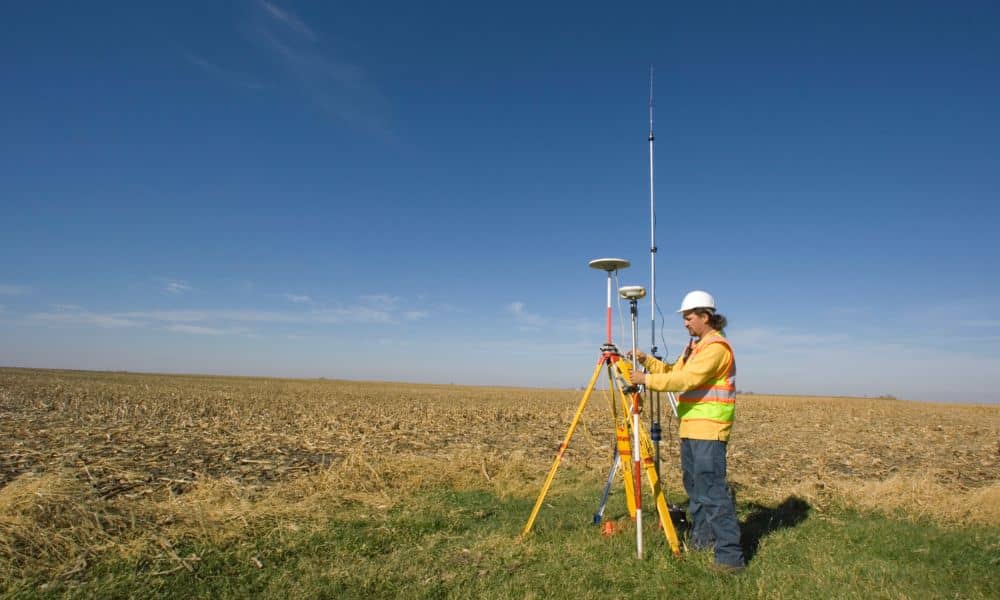
Topographic surveys help people understand the shape of the land. For many years, they have supported planning, design, and land decisions. Recently, however, a new online debate brought topographic surveys into focus for a different reason. A discussion about archaeological mapping and survey technology spread quickly among professionals. Because of this, many people have started to expect more from topographic surveys than before.
This shift does not only affect surveyors. Property owners, builders, and planners also feel the impact because they rely on land data to move projects forward.
A debate that started outside normal land projects
The discussion did not begin with homes or construction sites. Instead, it came from archaeological work. Archaeologists working on sensitive sites asked for very detailed maps of the land surface. They expected clear and precise results, even in areas with trees, slopes, and hard-to-reach ground.
Surveyors explained that even modern tools have limits. Thick plants can block signals. Uneven ground can affect readings. Some areas are hard to measure accurately. As more professionals joined the discussion online, the topic grew into a larger debate about accuracy and expectations.
Before long, the conversation reached many other types of land projects.
Why this matters beyond archaeology
At first, archaeology may seem unrelated to everyday land work. Still, the expectations behind those requests sound familiar to many surveyors.
Today, people often see drones, digital maps, and satellite images online. Because of that, many start to believe land information can show every rise and dip perfectly. This belief now carries over into normal land projects.
As a result, some clients assume the detailed land elevation mapping they order will capture everything on a site, no matter the conditions. When results don’t match that assumption, confusion and frustration can follow.
The idea that technology solves everything
Modern survey tools are faster and better than ever. They help collect more data in less time. Even so, no tool works perfectly in all conditions.
Trees can weaken satellite signals. Steep hills can affect measurements. Weather and access also matter. During the recent debate, surveyors tried to explain this point clearly. They were not saying accuracy does not matter. Instead, they explained that accuracy depends on the site.
When people forget this, expectations become unrealistic.
How topographic surveys became part of the issue
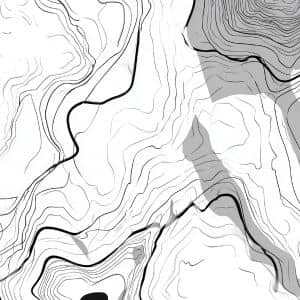
Topographic surveys serve many purposes. Designers use them to plan projects. Engineers use them to understand elevation. Property owners use them to learn about their land.
When people see detailed maps used in archaeology or media, they may assume all surveys should look the same. However, some maps focus on appearance, not design accuracy. Others serve records, not construction needs.
Because of this, topographic surveys sometimes get judged by standards they were not meant to meet.
Why surveyors are speaking up
Surveyors know their work affects important choices. Because of that, many feel responsible for setting clear limits.
During the online discussion, surveyors explained that pushing back does not mean refusing work. It means being honest about what is possible and choosing the right approach. Clear communication helps avoid mistakes and confusion.
When expectations stay unclear, projects often slow down.
How this affects landowners and developers
For clients, higher expectations can cause problems. When people believe technology guarantees perfect results, they may skip early conversations. They may also expect results that are not possible for the site.
This gap often leads to delays or changes later. On the other hand, clear expectations help projects move smoothly.
Understanding what topographic surveys can realistically provide helps clients plan better from the start.
Why expectations are higher in certain places
In areas with uneven land or historical value, expectations tend to rise. People want more detail when land has cultural or environmental importance.
While this makes sense, it also adds pressure. The archaeological debate showed how quickly expectations can grow when people forget site limits.
This lesson applies to many land projects, not just archaeology.
The importance of clear questions early
Instead of focusing on tools or buzzwords, clients benefit from asking clear questions early. They should think about how the data will be used and what decisions depend on it.
When goals are clear, results improve. Good communication builds trust and prevents confusion later.
The real lesson from the controversy
The recent debate did not reveal a problem with surveying. It revealed a problem with expectations.
Topographic surveys have not suddenly changed. Their purpose stays the same: to show land conditions as they truly are. What has changed is how people view technology.
When expectations match reality, topographic surveys work exactly as they should. They help guide decisions, reduce risk, and bring clarity to land projects.
In the end, the controversy offers a simple reminder. Clear conversations at the start lead to better results at the end.