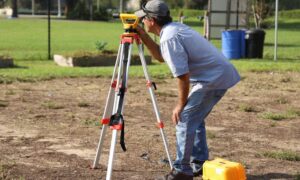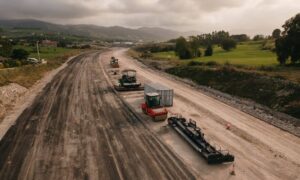

Lehi, Utah keeps growing fast. New roads stretch across the city, and new developments follow close behind. You may see machines, crews, and materials on site. However, before any of that work begins, something very important happens first. It starts with a construction survey.
A construction survey takes the plans for a road and places them on the ground. It shows crews exactly where to build. Without it, even the best design would stay on paper. So, before a major road project begins, a construction survey team must get several key things right. It all comes down to how a construction survey works on site and how those early steps guide everything that follows.
Why Road Projects in Lehi Need More Than Just Good Plans
Road designs look clean and simple on paper. Lines are straight, curves are smooth, and measurements are clear. However, real land does not behave the same way.
In Lehi, the ground may slope, shift, or connect to existing roads and properties. Because of that, plans alone are not enough. A construction survey makes those plans usable in real space.
Instead of guessing, crews follow clear points set by surveyors. As a result, every part of the road starts in the correct place. This step may seem small, yet it shapes everything that follows.
How a Construction Survey Sets the Foundation on Site
Before layout begins, surveyors create a system of control points across the site. These points act as fixed references. Every measurement connects back to them.
For large road projects, this step matters even more. Roads can stretch across long distances, and different crews may work on separate sections. Therefore, everyone must follow the same reference system.
If control points shift or do not match, the road may not line up as planned. So, survey teams take time to set these points carefully. They check them again and again to make sure everything stays consistent.
Turning Road Designs Into Exact Ground Positions
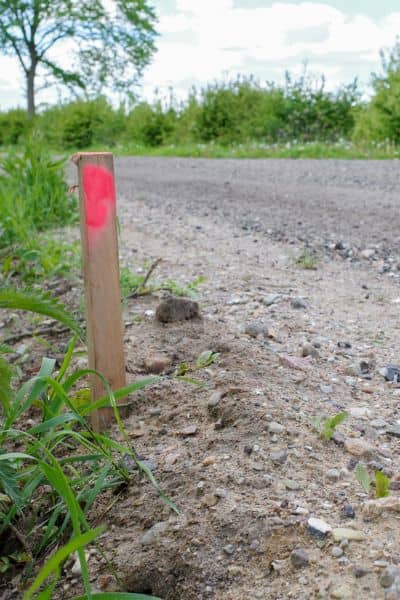
Once control points are in place, the construction survey moves into layout. This is where the design becomes visible on the land.
Surveyors mark the centerline of the road first. Then, they mark lane edges, curbs, and other key features. These markings guide equipment operators and construction crews and show how the road is laid out on site.
Because of this, the layout must be precise. Even a small shift can change how the road fits with nearby areas. So, surveyors measure carefully and place each point with purpose.
In simple terms, this step turns ideas into action.
Getting Elevation and Slope Just Right
A road is not just about where it sits. It also depends on how high or low each part should be. That is where elevation comes in.
A construction survey team sets grade markers that show the correct height for the road. These markers help crews shape the land during grading.
In Lehi, this step becomes even more important. Some areas have uneven ground, while others must connect smoothly to existing roads. Because of that, surveyors must guide both horizontal and vertical placement.
If elevations are correct, the road will flow smoothly. It will also handle water better. So, this part of the process plays a big role in how the finished road performs.
Making Sure New Roads Connect Smoothly
Most road projects do not stand alone. Instead, they connect to existing streets, driveways, and structures. These connections must feel natural when people drive through them.
This is where a construction survey team must pay close attention.
Surveyors align the new road with what already exists. They match positions and elevations so that transitions feel smooth. If this step is done well, drivers will not notice the change.
Because of that, tie-ins require careful work. Survey teams check both new and existing points to make sure everything lines up correctly.
Working Around What Is Already There
Lehi is a busy and growing city. Many road projects take place near existing features. These may include utilities, sidewalks, or nearby buildings.
A construction survey helps crews understand where these features are located. Then, the team adjusts the layout to fit the space.
Instead of forcing a design onto the land, surveyors guide the design to work with real conditions. This approach keeps the project organized and efficient.
As a result, the road fits well within its surroundings.
Keeping the Project Aligned From Start to Finish
Large road projects move in stages. First comes grading. Then utilities. After that, paving and finishing work take place.
Even though different crews handle each phase, the layout must stay consistent. That is why the construction survey does not stop after the first step.
Surveyors return to the site as the project moves forward. They restake points, confirm positions, and support each phase of work. This ongoing effort keeps everything aligned.
Because of this, every part of the road follows the same plan from beginning to end.
Why This Matters for Your Project in Lehi
You may not be building a major road. However, the same ideas apply to smaller projects in Lehi.
If you plan a commercial site, a subdivision, or even a private access road, you still need a construction survey. It ensures that everything is placed correctly from the start.
Without it, small errors can grow into bigger issues later. On the other hand, with a proper construction survey, your project begins with a clear direction.
That clarity helps the entire process move forward with confidence.
Final Thoughts
Lehi continues to expand, and new road projects play a big role in that growth. While heavy equipment and crews handle the visible work, a construction survey team sets the stage behind the scenes.
They place control points, guide layout, manage elevation, and align every part of the project. Step by step, they turn plans into something real.
So, before any road takes shape, a construction survey must get everything right first.