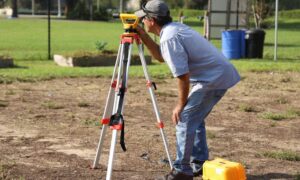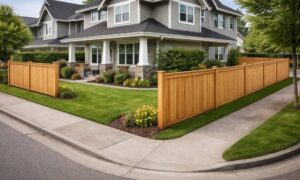
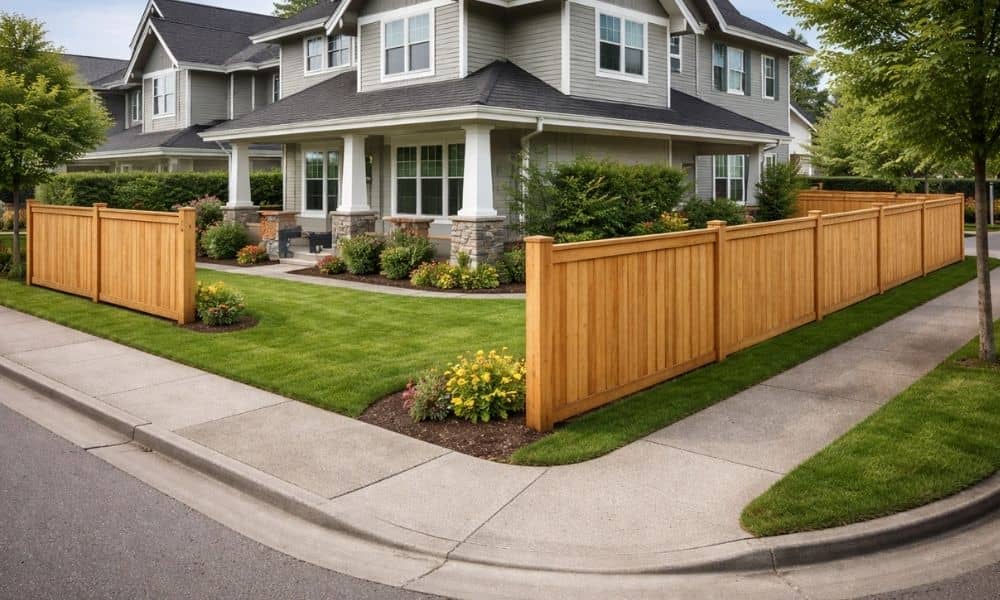
A fence project feels simple at first. You picture the layout, pick a style, and plan the install. Then the corner lot changes things. Many homeowners in Provo start building without thinking much about placement. Later, they realize the fence sits too close to the street or doesn’t follow the true property line. Fixing that mistake takes time and adds cost. A lot of people end up saying the same thing after the fact—they wish they had slowed down and thought about things like getting a land survey before building a fence, instead of trying to fix it later.
Corner Lots Come With Extra Limits
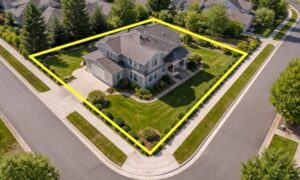
A regular lot has one side facing the street. A corner lot has two.
That changes how you can build.
The corner where the roads meet needs to stay clear so drivers can see. Because of that, fences near that area can’t always be placed the way you want. Height and position both come into play.
On top of that, corner lots often have shapes that are not perfectly square. Some lines angle. Some curve. Others don’t match the sidewalk in a clean way.
So even if you think you know where your boundary sits, the actual layout might tell a different story.
Why Fence Placement Gets Tricky Without a Land Survey
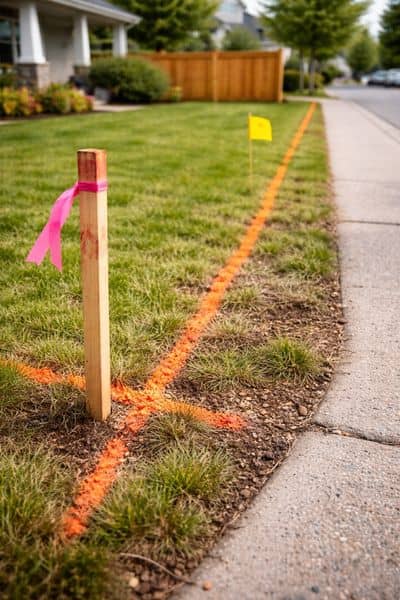
A lot of people rely on what they see. They look at an old fence, a patch of grass, or a line between yards and assume that’s the boundary.
That works until it doesn’t.
A land survey gives you exact lines, not guesses. It shows how your lot sits next to the street and where your fence can safely go.
Without that, small errors add up fast. A fence that looks fine from one angle might cross into a restricted area at the corner. You might also set it too close to the street without realizing it.
Once the fence is built, moving it is not a simple fix.
How a Land Survey Helps You Plan Before You Build
When you get a land survey, you stop guessing.
You can see how far your fence can go toward each street, so planning the layout becomes a lot easier before you spend money on materials. Most homeowners end up using a land survey to guide their fence layout anyway, just so they don’t have to second guess where everything should go.
This matters even more on a corner lot. The space near the intersection often comes with rules that don’t apply to the rest of the yard.
So instead of building first and fixing problems later, you start with clear lines and get it right the first time.
What Homeowners Often Miss About Fence Projects
In Provo, corner lots tend to get more attention during review and inspection. That’s because fences can affect how drivers see the road.
If a fence blocks that view, the city may require changes.
At the same time, the city does not mark your exact property line for you. That part falls on the homeowner.
So even if your fence meets height rules, it can still become an issue if it sits in the wrong place.
That’s where a land survey fills the gap. It gives you the confidence that your layout matches your actual lot.
What Can Go Wrong When You Skip This Step
Some homeowners move forward without checking their boundaries. Sometimes the fence turns out fine. Other times, problems show up after the work is done.
You might build too close to the corner and need to cut part of the fence back. You might follow an old line that was never accurate. You might run into issues during inspection that slow the project down.
None of these problems feel serious at first. But once the fence is in place, even a small mistake can lead to extra cost.
When You May Not Need a Land Survey
There are cases where a land survey may not be needed.
If your property has a recent survey and the markers are still clear, you already have the information you need. The same applies if your fence sits well inside your yard and stays far from the street.
Still, corner lots carry more risk than most people think. That’s why many homeowners choose to confirm their layout before building.
Start With the Right Information
A fence adds value, privacy, and security. But placement matters just as much as the design.
On a corner lot, the margin for error is smaller. You deal with two street edges and tighter limits near the intersection. A small mistake in layout can turn into a larger problem after construction.
A land survey helps you start with the right information so your fence goes where it should the first time.
If you’re planning a fence on a corner lot, taking that step early can save you from fixing it later.