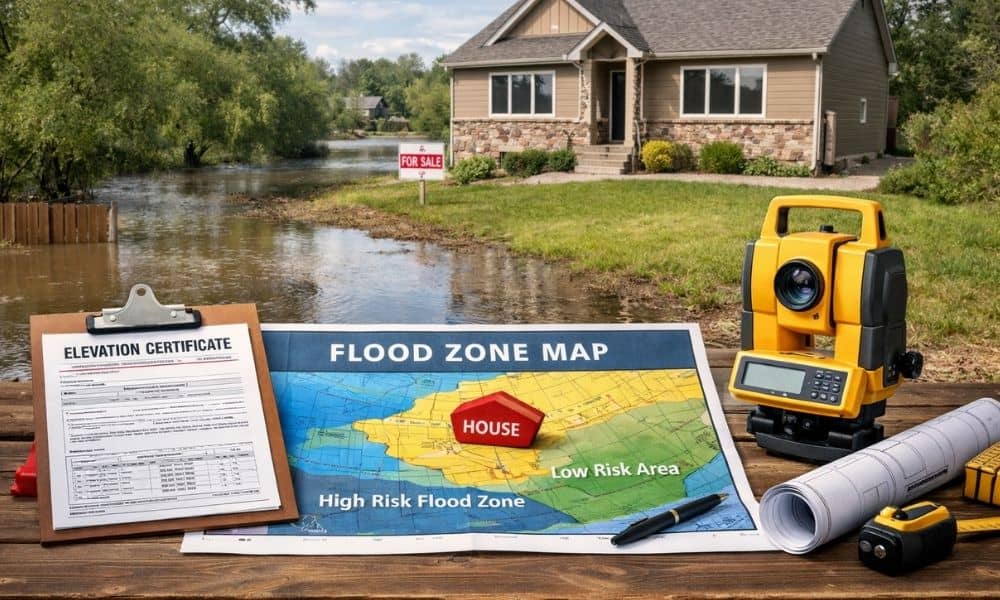
Buying a home should feel smooth. You find the right place, agree on a price, and move toward closing. However, many buyers are surprised when a lender or insurance company suddenly asks for an elevation certificate, and you start wondering why it may be required in the first place.
At that moment, things slow down. You start asking questions. Do I really need this? Why didn’t anyone mention it earlier?
This situation happens more often than you think. In fact, many buyers don’t hear about an elevation certificate until the final steps. Because of that, stress builds fast. Yet the good news is simple. You can check early and avoid all of this.
What an Elevation Certificate Really Tells You
An elevation certificate is just a way to see how high your home sits compared to flood levels. It’s really simple once you look at it.
Lenders and insurance companies use it to check for risk. If your home is lower than recommended, there might be extra steps. If it’s high enough, you probably won’t need to do anything.
Basically, it’s a way to understand what this means for your situation. It helps you see whether your home could be at risk or if it’s safely above potential flood levels.
Why Some Homes in South Jordan Raise Questions
South Jordan has grown quickly. New homes, new neighborhoods, and well-planned communities are everywhere. Still, the land itself varies.
Some areas sit near small creeks. Others follow natural drainage paths. In some spots, the ground sits lower than nearby streets. Because of this, two homes on the same street may not face the same risk.
That’s where confusion begins.
A home may look safe. The yard looks dry. The street looks normal. However, the data behind the property may tell a different story. As a result, lenders or insurers may request an elevation certificate even when nothing looks wrong.
Because of that, you can’t rely on appearance alone. You need to check the details.
How Buyers Usually Find Out Too Late
Most buyers follow the same path. They focus on price, inspections, and financing. Everything feels on track. Then, right before closing, a requirement appears.
Suddenly, the lender asks for an elevation certificate. Now the buyer scrambles. They need to find a professional, schedule the work, and wait for results. Meanwhile, the closing date may shift.
This delay creates stress. It may also create extra costs.
The real problem isn’t the certificate itself. The problem is timing. When you find out late, you lose control of the process.
How You Can Check Early Without Guessing
Instead of waiting, you can take a few simple steps early in the process.
First, look at the property’s flood zone. This gives you a quick idea of risk. While it won’t give final answers, it points you in the right direction.
Next, talk to your lender early. Don’t wait for them to bring it up. Ask directly if the property may need an elevation certificate. This one question can save you a lot of trouble later.
At the same time, check with your insurance provider. They may have their own requirements. So even if the lender says one thing, the insurer may say another.
Then, ask the seller if a certificate already exists. Many homeowners have one from a past purchase or refinance. If they do, you can use it and move forward faster.
Finally, pay attention to the property itself. Look at how the land sits. Notice if the home looks lower than nearby areas. Watch how water may flow during rain. These small details often give helpful clues.
By doing all of this early, you stay ahead of the problem.
The Questions That Help You Avoid Surprises
As you move forward, keep your focus on the right questions.
Ask if the property ever required flood insurance. Ask if any documents already exist. Ask if anything came up during the lender’s review.
These questions may seem simple. However, they often reveal what others miss.
More importantly, they shift your mindset. Instead of reacting late, you prepare early.
When a Professional Becomes Necessary
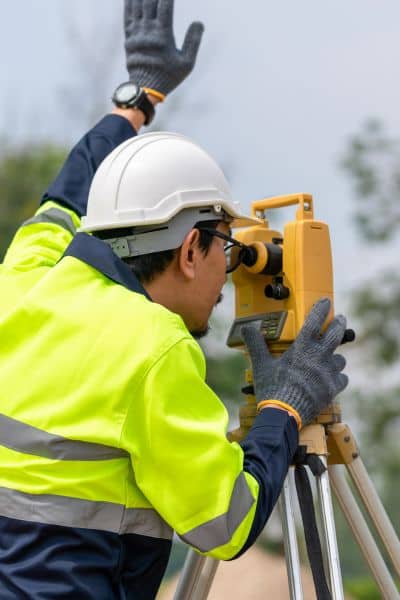
Sometimes, you won’t get clear answers. That’s normal. At that point, it’s time to bring in a licensed land surveyor.
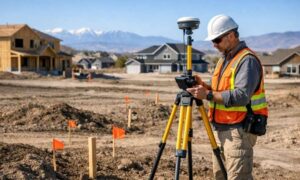
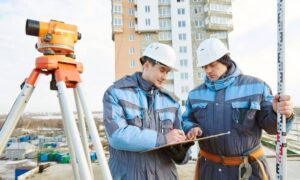
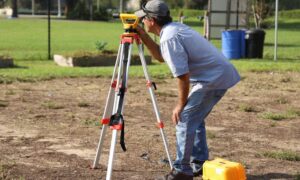
A surveyor measures the exact elevation of your home. Then, they create the official elevation certificate needed by lenders and insurers.
This step removes all guesswork. Instead of wondering, you get clear and accurate information.
Even better, you can make decisions with confidence.
What Happens When You Wait Too Long
When buyers delay this step, problems show up quickly.
Closing dates may move. Costs may increase. Stress builds as time runs out.
In some cases, buyers feel stuck. They must wait for the certificate before moving forward. That delay can affect the entire transaction.
All of this comes from one issue. The check happened too late.
Why Early Action Makes Everything Easier
When you check early, everything changes.
You stay in control. You understand the property better. You avoid last-minute surprises.
Most importantly, you move through the buying process with confidence.
An elevation certificate is not something to fear. It’s simply a tool. When you use it the right way, it protects you.
So if you’re buying in South Jordan, take a few minutes to check now. Ask the right questions. Look at the details.
Because in the end, a small step early can save you from a big problem later.