When people buy property, they often feel safe once everything looks “official.” The deed is recorded. The title commitment looks clean. The maps match the address. At that point, many buyers assume the hard work is done. However, recorded documents do not always tell the full story. That is exactly why an alta land title survey plays such an important role in modern real estate deals.
Today, property transactions move fast. Buyers review documents on screens, not in the field. Because of that, it is easy to confuse recorded information with verified facts. This article explains why that gap matters and how an ALTA Land Title Survey helps buyers avoid costly surprises.
Recorded Information Feels Final, but It Is Not Verified
Recording a document means it is accepted and stored by a public office. It does not mean someone checked the land to confirm what the paper says. Recording offices do not walk the property. They do not measure fences, buildings, or driveways. They also do not confirm that old records still match what exists today.
Because of this, recorded documents can feel more reliable than they really are. They look official. They come from trusted sources. Still, they only show what was filed, not what currently exists on the ground.
As a result, buyers may move forward with confidence based on paperwork alone. Unfortunately, that confidence can disappear once construction, planning, or financing begins.
Why Buyers Rely on Records More Than Ever
In the past, buyers often visited a site several times before closing. Now, many decisions happen from a desk. Digital plats, scanned deeds, and online parcel viewers make property research quick and easy.
At the same time, lenders and title companies rely heavily on recorded data to move deals forward. That speed helps everyone. Yet speed also reduces the chance to catch small issues early.
Because transactions move quickly, many buyers assume that if a problem existed, someone would have already flagged it. That assumption causes trouble. Old errors can stay hidden for decades, even after several clean closings.
Where Assumptions Commonly Break Down
Most property issues do not come from major mistakes. Instead, they come from small assumptions that no one checks.
For example, buyers often assume existing fences sit on the true property line. In reality, many fences were placed for convenience, not accuracy. Over time, neighbors accept them as correct, even when they are not.
Access creates another common issue. A recorded easement may exist on paper, but its physical location may differ. Sometimes access looks clear on a map but fails in real life due to terrain or past changes.
Improvements also cause problems. Buildings, parking areas, and utilities may not match recorded dimensions. These differences rarely appear in basic records. Instead, they surface during design or construction, when changes cost more.
Why This Problem Matters More Right Now
Real estate continues to move faster each year. Digital tools help deals close sooner, which benefits buyers and sellers alike. However, faster timelines leave less room to correct errors.
At the same time, development keeps pushing into areas with existing structures, shared access, and mixed uses. That overlap increases the chance that recorded information does not match physical conditions.
Because of this, verification matters more than ever. When decisions rely only on records, small gaps can turn into expensive delays.
How an ALTA Land Title Survey Closes the Gap
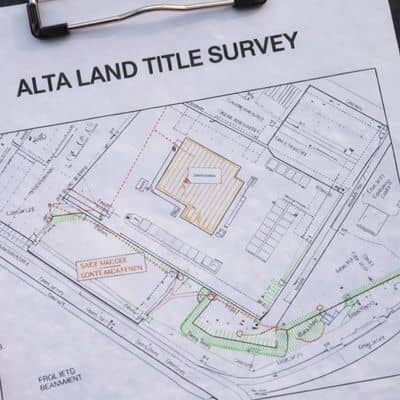
An ALTA Land Title Survey does more than show lines on a map. It connects recorded information to real conditions on the ground.
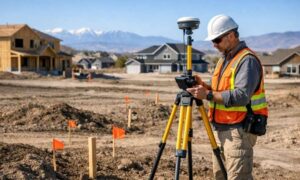
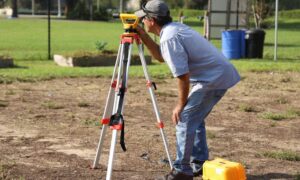
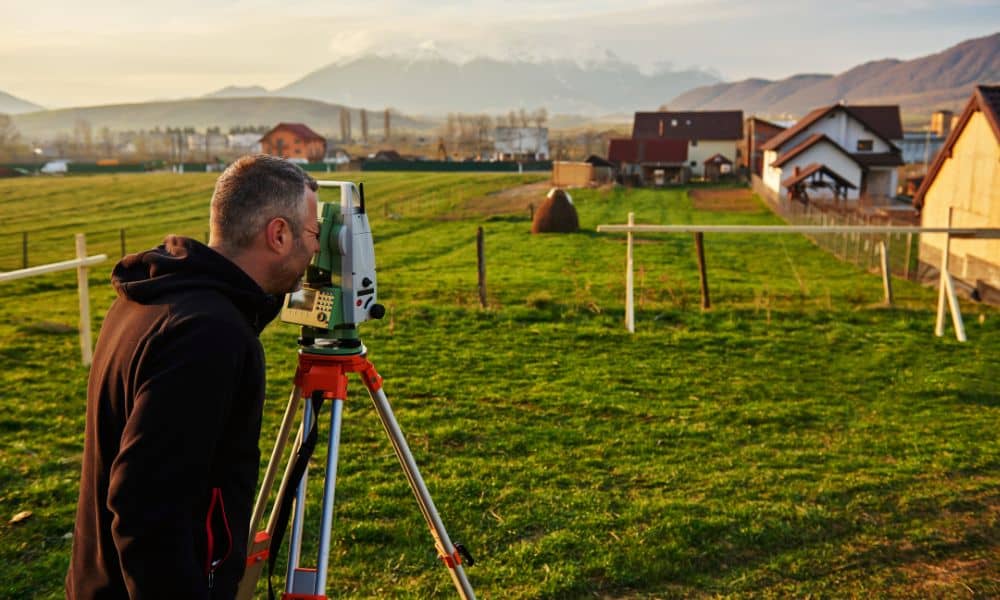
Surveyors compare legal descriptions with field evidence. They locate boundaries, observe improvements, and document how everything fits together. When records and reality do not align, the survey shows that difference clearly.
This process does not assume records are correct. Instead, it tests them. That is why lenders, buyers, and title companies rely on ALTA surveys for high-risk or high-value transactions.
Problems an ALTA Survey Can Reveal Early
One major benefit of an ALTA Land Title Survey is timing. It reveals issues before money fully changes hands.
For instance, a buyer may plan to expand a building, only to learn that an improvement sits closer to a boundary than expected. Another buyer may assume parking fits comfortably, yet an encroachment reduces usable space.
In other cases, access works on paper but not in practice. A survey can show where driveways, roads, or shared areas actually exist, not just where records say they should be.
Finding these details early allows buyers to adjust plans, renegotiate terms, or walk away if needed. That flexibility disappears after closing.
The Cost of Discovering Issues After Closing
When problems appear after closing, options shrink. Buyers may face redesigns, permit delays, or financing complications. Each issue adds time, stress, and expense.
Often, these problems do not kill a deal outright. Instead, they slowly drain budgets and energy. Many buyers say they wish they had known sooner, not that the issue existed at all.
An ALTA survey helps shift discovery to the right moment. It allows buyers to make informed decisions while they still have leverage.
Who Benefits Most From Early Verification
Not every buyer faces the same risk. However, certain situations increase the value of verification.
Buyers planning improvements benefit because design relies on accurate conditions. Investors working under tight timelines benefit because delays affect returns. Properties near other developments benefit because boundaries and access matter more.
Even buyers who feel confident in the records benefit from peace of mind. Verification supports decisions, not fear.
Recorded Starts the Process, Verified Finishes It
Recorded documents play an important role. They establish ownership and provide a legal foundation. Still, they do not confirm what exists today.
An ALTA Land Title Survey fills that gap. It verifies, tests, and documents conditions before they become problems. In a fast-moving real estate world, that clarity protects buyers more than any assumption ever could.
Before relying on what is recorded, take time to confirm what exists. That simple step often makes the difference between confidence and regret.