
Provo keeps growing. New homes, new businesses, and new roads appear across the city every year. Recently, people started talking about a large project planned for the East Bay area. Many discussions focus on utilities, traffic, and land use. However, before any big project begins, one expert plays a very important role: the land surveyor.
A land surveyor helps developers understand the land before anyone builds on it. Without clear measurements and accurate land data, even a good building plan can face delays, costly mistakes, or legal trouble. Because of this, developers usually start every major project by bringing in a local land surveyor to study the property and confirm the details of the site.
Yet this work does not only matter for large commercial projects. In fact, the same process helps homeowners, investors, and property owners across Provo make better choices about their land.
Development Starts With Understanding the Land
Every building project begins with one simple question: What is actually on the land?
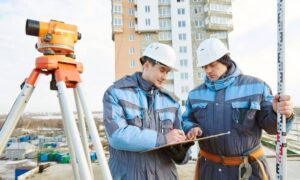
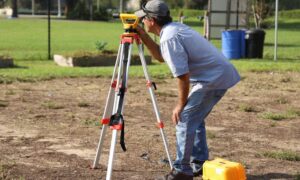
A land surveyor answers that question by measuring and mapping the property. First, they find the exact boundaries of the land. Then they record features such as roads, slopes, utilities, fences, and nearby buildings.
This work creates a clear picture of the site. Because of that, architects and engineers can design buildings that fit the land correctly.
Without this information, developers might depend on old records or rough guesses. However, that can lead to serious problems later. For example, a building might sit too close to a property line. A parking lot might even cross onto a neighbor’s land. Therefore, accurate survey data helps prevent costly design changes before construction begins.
Large Projects Need Accurate Property Boundaries
Big projects require careful planning. Even a small mistake in property lines can affect roads, drainage systems, or building placement.
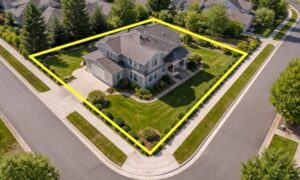
A land surveyor confirms the exact edges of the property. Developers often rely on a property boundary survey to make sure those lines are correct before they move forward with construction plans. In addition, the surveyor locates easements and right-of-way areas that limit how the land can be used. These spaces may hold underground utilities, drainage paths, or access routes.
Because of this work, developers can plan buildings that follow local rules. In growing cities like Provo, zoning laws and property setbacks guide how projects move forward. Survey data helps designers avoid placing structures where they should not go.
For large developments, even a few feet can change everything.
Survey Data Helps Show If a Project Will Work
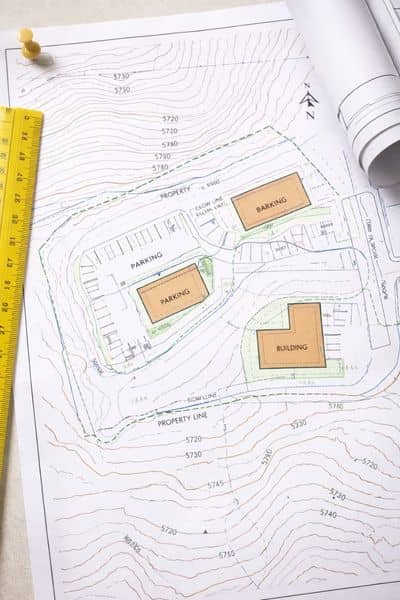
Before developers spend large amounts of money on construction, they must know if the land can support the project.
A land surveyor gathers the site data that engineers need to answer that question. For example, they measure slopes and elevation across the property. They also record natural features such as drainage paths and nearby water flow.
This information helps engineers design grading plans, drainage systems, and strong building foundations. As a result, the project can move forward with fewer surprises.
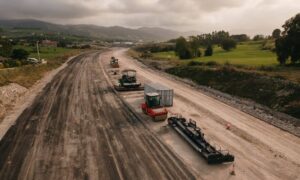
Think about a large project like a data center or office complex. These buildings need space for parking, utilities, roads, and the main structure. Survey data helps planners see how much usable land exists and where construction should happen.
Even smaller projects benefit from the same process. Someone building a home or small commercial building still needs to understand the land first.
Cities Use Survey Data When Reviewing Projects
City planners depend on survey data when they review development plans. Every large project must follow zoning rules, property lines, and city infrastructure plans.
Because of that, a land surveyor provides key information for many documents used in the approval process. These documents often include site plans, grading plans, and engineering drawings.
Survey measurements help confirm that buildings stay inside property boundaries. They also show how roads, sidewalks, and utilities connect to nearby systems.
If survey data is missing or wrong, projects may slow down. City officials may ask for changes before giving approval. Therefore, good survey data often helps projects move through the permit process faster.
Surveying Helps Prevent Property Line Disputes
Property line problems happen more often than people think. Sometimes a fence sits on a neighbor’s land. Other times, an old structure crosses a boundary line.
A land surveyor can find these issues early.
First, they compare official land records with real measurements taken on the site. Then they mark the property corners and boundary lines clearly. This gives property owners a clear understanding of where their land begins and ends.
Developers often ask for a survey before buying property. This step helps them avoid surprises later.
Homeowners also benefit from this service. For example, someone who plans to build a fence, driveway, or garage should confirm the property lines first. Doing this helps prevent neighbor disputes in the future.
Early Surveying Saves Time and Money
Many developers learn the same lesson: bringing in a land surveyor early saves time.
When survey data guides the design from the start, architects and engineers can create plans that fit the site correctly. As a result, fewer changes happen later during construction.
Early surveying also lowers legal risk. Boundary problems, easement issues, and zoning conflicts can stop a project quickly. However, survey data helps identify these problems before construction begins.
For large projects, even a small mistake can cost a lot of money. Because of this, accurate land information helps protect both the budget and the timeline.
When Property Owners Should Contact a Land Surveyor
Large developments often get the attention, but everyday property owners face similar situations. Many cases call for help from a land surveyor.
For example, someone buying vacant land should confirm the property boundaries before completing the purchase. In addition, property owners who want to build a home or commercial building need clear land measurements.
Surveying also helps when dividing land, solving boundary disputes, or preparing property for sale.
In each situation, accurate land data removes guesswork. As a result, property owners can move forward with more confidence.
The Foundation of Smart Development
Major projects often attract attention because of their size or cost. However, the real work begins long before construction starts.
A land surveyor provides the accurate measurements that guide planners, engineers, and developers. These experts help make sure projects respect property boundaries, follow city rules, and fit the land properly.
Whether the project involves a large commercial development or a smaller property improvement, reliable land data always plays an important role.
In a growing city like Provo, responsible development begins with understanding the land. And in most cases, that process starts with a skilled land surveyor.