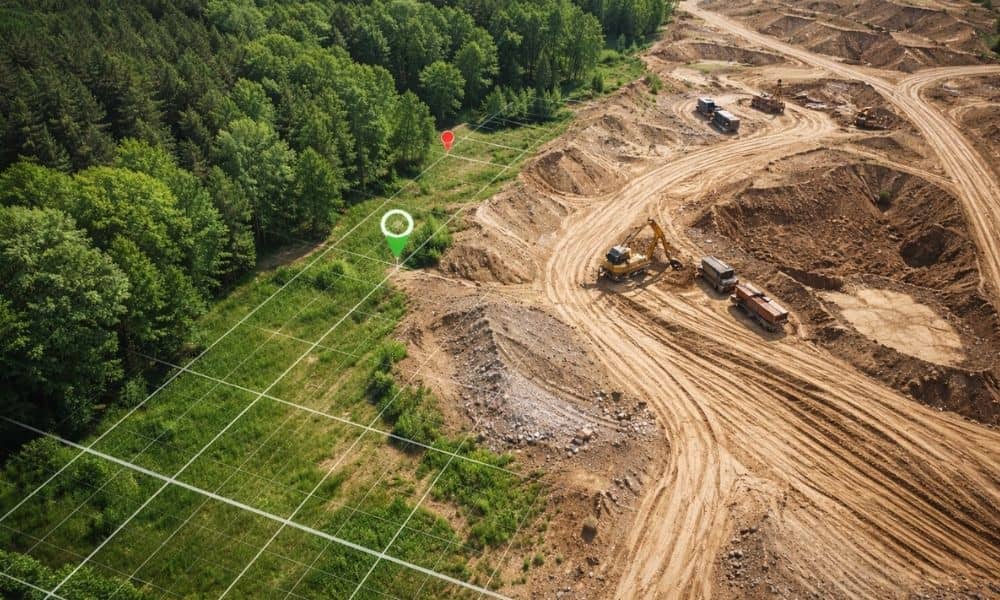
Across the world, governments now use aerial mapping to stop illegal land activity. In recent days, officials overseas launched drone-based aerial mapping programs to track unauthorized excavation and land exploitation. Instead of relying only on ground patrols, they now use high-resolution maps that show changes in the land over time.
That shift matters — not just globally, but right here in Ogden, Utah.
Because while illegal mining may sound far away, the bigger message is clear: aerial mapping has become a powerful tool for protecting land. And if governments trust it to enforce land rules, property owners and developers can use the same technology to protect their investments.
Aerial Mapping Has Moved Beyond Basic Surveys
In the past, many people saw aerial mapping as something only large construction firms used. However, that view has changed. Today, aerial mapping helps monitor land use, detect unauthorized changes, and create clear documentation of site conditions.
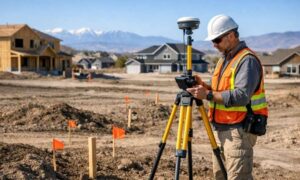
Instead of guessing what happened on a property, you can now see it. Drone flights capture detailed images. Software stitches them into accurate maps. Then, those maps show elevations, grading changes, and even subtle disturbances in soil.
Because the flights repeat over time, they create a visual record. If someone digs, clears, or alters land without approval, the difference appears clearly.
That same approach now helps governments track illegal land exploitation. And more importantly, it can help landowners avoid costly surprises.
Why This Matters in Ogden, Utah
Ogden continues to grow. New housing developments rise near the foothills. Commercial projects expand near major corridors. Infrastructure upgrades reshape parts of Weber County.
Growth brings opportunity. However, it also increases risk.
For example:
- Contractors might grade beyond approved limits.
- Unauthorized access may damage undeveloped land.
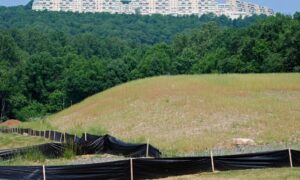
- Stormwater controls might fail after heavy rain.
- Neighbors might question boundary lines.
In each case, aerial mapping provides clear visual proof of what actually happened.
Furthermore, Northern Utah has sensitive terrain. Steep slopes, drainage channels, and wildfire-prone areas require careful land management. Even small grading changes can cause erosion or runoff problems. Therefore, landowners need accurate, up-to-date site data.
That’s where aerial mapping becomes more than a nice extra. It becomes protection.
How Aerial Mapping Protects Property Owners
Let’s bring this closer to home.
Imagine you plan to build on a parcel near Ogden’s foothills. Before construction starts, you schedule an aerial mapping flight. The drone captures the current land condition — natural slopes, vegetation, drainage paths.
Now you have a baseline.
Later, if grading crews move soil incorrectly, you can compare new aerial data to the original map. You don’t rely on memory. You rely on visual evidence.
Similarly, if a storm damages part of your site, aerial mapping shows exactly where erosion occurred. That helps you fix the issue faster. It also helps with insurance documentation.
In addition, lenders and investors appreciate clear data. When you show them time-stamped aerial maps, you reduce uncertainty. You demonstrate control over your project.
And in land development, reduced uncertainty saves money.
Monitoring Contractors and Site Compliance
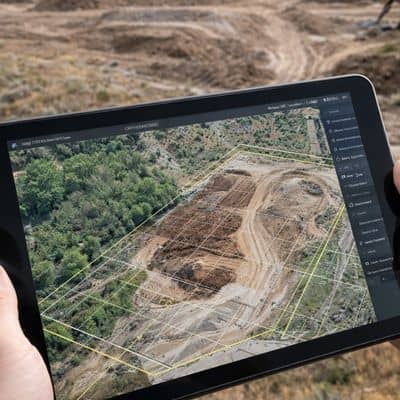
Illegal land exploitation overseas often happens quietly. By the time authorities notice, major damage has already occurred. However, aerial mapping changes that timeline. It catches problems early.
The same idea applies to private projects.
For instance, developers can use aerial mapping at key milestones:
- After clearing
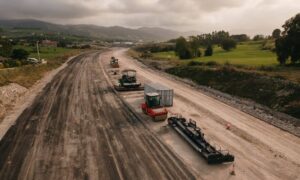
- After rough grading
- Before foundation work
- After utility installation
Each flight confirms that work matches approved plans.
If something shifts outside permitted limits, you catch it immediately. As a result, you avoid stop-work orders or expensive rework.
Moreover, Ogden city planners and engineers value documentation. When you submit updated site visuals, you show transparency. That builds trust with local officials.
Environmental Protection and Community Responsibility
Utah communities care deeply about land stewardship. The mountains and open spaces shape our identity.
Because of that, construction near sensitive zones requires caution.
Aerial mapping helps protect those areas. It tracks runoff patterns. It measures slope changes. It reveals disturbed soil that might lead to erosion.
Instead of reacting after damage spreads, you can act early.
Additionally, wildfire recovery areas need monitoring. After a burn scar, vegetation changes quickly. Drainage shifts. Soil stability weakens. Repeated aerial mapping flights show those changes clearly.
Therefore, landowners, engineers, and municipalities can respond with informed decisions.
That proactive approach reflects responsibility — not just compliance.
The Financial Side: Risk Reduction
Every development carries risk. However, smart documentation reduces that risk.
Aerial mapping helps in several financial ways:
First, it prevents disputes. Clear imagery removes confusion about who changed what.
Second, it reduces delays. When you verify progress visually, you make faster decisions.
Third, it strengthens insurance claims. Time-stamped data supports your case.
Finally, it protects property value. Buyers feel more confident when they see well-documented land history.
In today’s market, confidence matters.
When Should Property Owners Consider Aerial Mapping?
If you own land or manage a project, consider aerial mapping before major activity begins. That first flight creates your record.
After that, schedule follow-up flights during major phases. You don’t need weekly data for every site. Instead, align mapping with milestones.
For smaller properties, even one pre-construction and one post-construction flight adds protection.
For larger developments, recurring mapping builds a complete project timeline.
The key is simple: document before problems arise.
From Global Enforcement to Local Protection
The recent international crackdown on illegal land exploitation shows something important. Aerial mapping has moved from a helpful tool to a trusted safeguard.
Governments use it to enforce land rules. Developers use it to protect investments. Municipalities use it to monitor compliance.
So what does that mean for Ogden, Utah?
It means landowners no longer need to rely on guesswork. It means builders can prove site conditions. It means investors can see progress clearly.
Most importantly, it means you can protect what you build.
Because in a growing region like Ogden, aerial mapping does more than create beautiful images from above. It creates accountability. It creates clarity. And ultimately, it creates confidence in the land beneath your project.