Buying a sloped lot can feel exciting at first. Many properties near the foothills offer incredible views, quiet streets, and more privacy than flatter neighborhoods. However, building on uneven land often comes with challenges that buyers do not notice right away.
A property can look perfect during a showing. Then construction begins and unexpected problems appear. The driveway may end up steeper than expected. Water may collect near the future foundation. Excavation costs may rise after crews discover how uneven the lot really is.
That is why many property owners order a topographic survey before they begin designing or building.
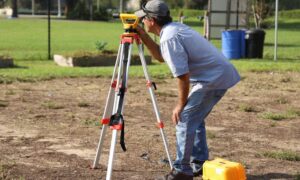
A topographic survey shows how the land changes across the property. It gives builders, engineers, architects, and homeowners a clearer understanding of the terrain before major decisions get made.
Why Sloped Lots Require More Planning
Sloped lots create extra construction challenges because elevation changes affect drainage, grading, foundations, and driveway design. A topographic survey helps builders understand those conditions early so they can plan the project more accurately.
Building on flat land is usually more straightforward. Sloped lots work differently because even small elevation changes can affect almost every stage of construction.
For example, the slope may impact:
- foundation placement
- drainage flow
- driveway access
- retaining wall needs
- excavation depth
- utility installation
A lot that looks manageable at first may become far more complicated once grading begins.
This happens often in Salt Lake City, especially near foothill neighborhoods where the terrain changes quickly from one section of the property to another. Snowmelt and seasonal runoff can also create drainage problems if the site plan does not account for the natural slope of the land.
Because of that, builders usually want accurate elevation information before finalizing construction plans.
What a Topographic Survey Actually Shows
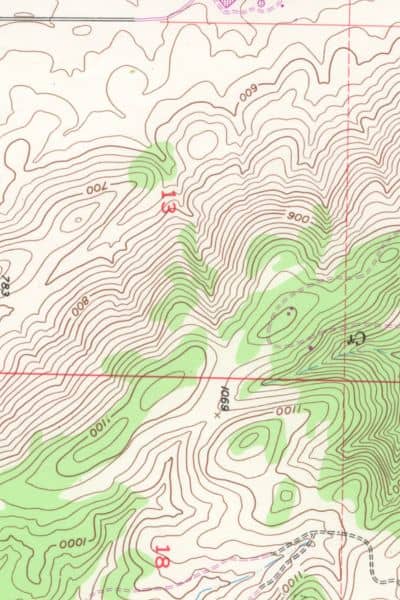
A topographic survey shows elevation changes, contour lines, drainage paths, slopes, structures, and natural features across a property. This information helps builders and engineers design around the actual terrain instead of making assumptions.
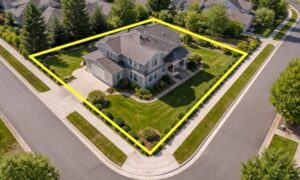
A topographic survey maps the physical features of the land. It shows both natural and man-made elements while also measuring changes in elevation throughout the property.
The survey may include:
- contour lines
- hills and low areas
- slopes and grade changes
- drainage paths
- trees and large rocks
- fences and driveways
- utility locations
- existing structures
These details help everyone understand how the property behaves before construction starts.
How Contour Lines Help Builders
Contour lines help show how steep different areas of the property may be. When the lines sit close together, the slope usually changes quickly. Wider spacing often means flatter terrain.
That information helps builders decide:
- where the home should sit
- how steep the driveway may become
- where drainage systems should go
- how much grading the site may require
Without accurate topo data, crews sometimes discover terrain problems after excavation begins. At that point, fixing the issue often costs much more.
Drainage Problems Often Start Before Construction
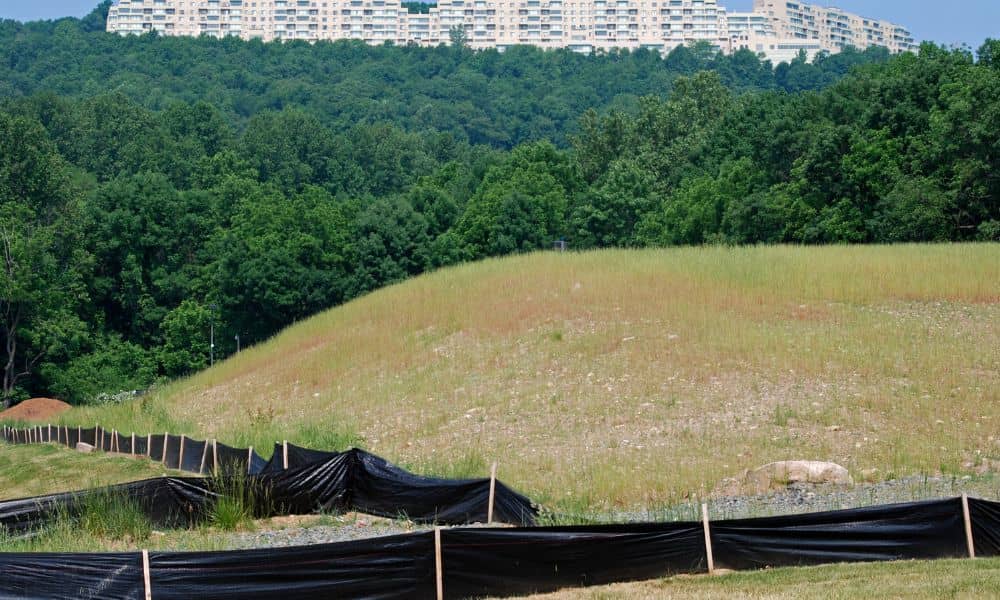
Water naturally moves downhill, which means drainage problems can develop quickly on sloped lots. A topographic survey helps identify runoff paths, erosion risks, and low areas before construction begins.
Many buyers focus on the appearance of the lot. The view, privacy, and location usually stand out first. However, drainage problems often become one of the biggest long-term concerns.
A property may look dry during a showing. Then a heavy storm or spring snowmelt reveals how water actually moves across the land.
On sloped properties, runoff can:
- flow toward the future home
- wash soil downhill
- collect near the foundation
- create erosion problems
- damage landscaping plans
A topographic survey helps identify these risks early so engineers can create better grading and drainage plans.
This becomes especially important in hillside areas around Salt Lake City where elevation changes can dramatically affect water flow during storms and snowmelt seasons.
Why Builders and Engineers Depend on Topographic Surveys
Builders, architects, and engineers use topographic surveys to design safer grading plans, drainage systems, foundations, and site layouts. Accurate elevation data helps reduce delays and costly redesigns later.
A topographic survey does much more than help homeowners understand the property. Several professionals rely on the survey throughout the planning and construction process
Architects use the survey to position the home properly on the lot. Engineers use it to design drainage systems and grading plans. Contractors use it to plan excavation work and equipment access.
In many cases, cities also require elevation and grading details before approving permits for hillside construction.
Without accurate measurements, problems can appear quickly. Drainage systems may fail inspection. Driveways may end up too steep. Foundations may require redesigns after excavation starts.
That is why many builders prefer to study the terrain before construction moves forward.
Retaining Walls and Driveway Problems Can Increase Costs
Sloped properties often need retaining walls, special drainage systems, and additional grading work. A topographic survey helps property owners identify these challenges before construction begins.
Many buyers do not realize how much extra work a steep property may require.
Some sloped lots need:
- retaining walls
- stepped foundations
- reinforced slopes
- larger excavation areas
- additional drainage systems
Driveways can also create unexpected problems. A steep driveway may become difficult to use during snow or ice. In some situations, builders may need to change the garage location or raise the elevation of the home itself.
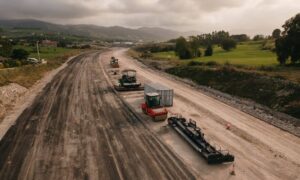
Construction crews may also struggle to move equipment safely across steep sections of the property.
A topographic survey helps uncover these issues early. As a result, property owners can make better decisions before spending money on permits, grading, and construction.
A Topographic Survey Helps Prevent Expensive Surprises
A topographic survey helps reduce construction surprises by identifying elevation changes, grading concerns, drainage conflicts, and excavation issues before major work begins.
Building on sloped land often costs more than building on flat ground. However, unexpected site problems can push costs even higher if no one identifies them early.
For example, builders sometimes discover:
- hidden elevation drops
- unstable grading areas
- unexpected drainage flow
- difficult excavation conditions
- foundation layout conflicts
When these problems appear after construction starts, delays usually follow.
Early survey data helps the design team avoid costly grading changes, redesigns, and construction delays later in the project
When Should You Order a Topographic Survey?
Property owners should order a topographic survey before buying land, designing a home, grading the site, or applying for permits. Early survey data helps builders plan more accurately from the beginning.
Many people wait until construction planning already begins before ordering a survey. By then, some important decisions may already depend on incomplete information.
Property owners often order a topographic survey:
- before purchasing land
- before architectural design
- before grading work
- before permit applications
- before driveway planning
- before foundation layout
Getting accurate elevation data early helps everyone involved make smarter decisions throughout the project.
In many cases, the survey also helps buyers decide whether the property realistically fits their budget and building goals.