
Construction projects across Northern Utah are moving fast—until they suddenly stop. In recent weeks, many developers and property owners have seen their projects pause even after everything looked ready. In many cases, the reason comes down to one request: the construction survey needs to be re-verified. That request often surprises people, especially when the survey was completed recently. Still, this change is happening more often, and it connects directly to new land-use pressure across Utah.
If your project feels stuck and no one explains why, you are not alone.
Construction Looks Ready, but Approvals Stop
This situation feels familiar to many people right now. Plans are complete. Contractors are scheduled. Financing is almost approved. Then, during final review, a permit office or lender asks for a re-verification of the construction survey.
Nothing changed on the site. No new design work happened. Yet progress slows.
This pattern shows up more often in Northern Utah, especially near Ogden and Weber County. The pause does not mean someone made a mistake. Instead, it reflects a shift in how agencies and lenders handle risk during times of land-use uncertainty.
Why Land-Use Pressure in Utah Is Affecting Projects
Over the past year, Utah has seen more attention on land authority, boundaries, and who controls certain land areas. Most news stories focus on public land issues. However, the effects reach private projects too.
As counties respond, reviewers become more cautious. They want clear answers before moving projects forward. Because of that, they now ask a key question more often: Does the construction survey still match current approvals and interpretations?
If reviewers feel unsure, they pause the project until the survey gets verified again.
Re-Verification Does Not Mean the Survey Was Wrong
Many property owners think re-verification means the survey had errors. That assumption causes confusion.
A construction survey shows conditions at one point in time. Since then, permit comments, easement notes, or land reviews may have changed. Even small updates can trigger a request to confirm survey details.
Re-verification helps protect everyone involved. Engineers want to confirm layout before final plans move forward. Lenders want confidence before releasing funds. Inspectors want clarity before allowing work to start. Each group relies on the construction survey as a shared reference.
So instead of questioning the survey quality, reviewers ask for confirmation under current conditions.
What Happens During Construction Survey Re-Verification
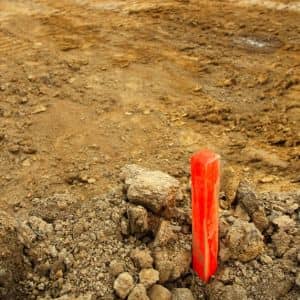
Re-verifying a construction survey does not mean starting over. Surveyors usually focus on checking key reference points.
They confirm control points, layout lines, and how the survey matches approved plans. They also review how field data lines up with the most recent documents.
In most cases, this process stays simple and focused. However, the project cannot move forward until verification is complete. That step helps prevent bigger problems later.
Why Northern Utah Feels the Impact More
Northern Utah continues to grow quickly. With growth comes more oversight.
This region includes a mix of private land, older plats, and changing boundaries. As agencies respond to statewide land questions, they review projects more carefully. Steps that once passed easily now receive closer attention.
Other areas may see this change later. For now, Northern Utah is feeling it first.
How These Pauses Affect Timelines and Costs
Even short delays can add costs. Contractors must adjust schedules. Equipment rentals may shift. Financing timelines stretch. Property owners may face extra holding costs they did not plan for.
Because construction survey reviews often happen near the end of approvals, re-verification feels especially frustrating. Many teams believe they already cleared that step.
Once reviewers treat survey confirmation as required before moving forward, projects cannot continue without it.
How Early Survey Coordination Can Reduce Delays
While no one controls legal changes, early planning helps reduce surprises.
When surveyors stay involved during permitting, re-verification becomes easier. Clear communication allows teams to confirm details before reviewers raise concerns.
Projects that treat the construction survey as an ongoing reference—not a one-time task—often move through approvals faster.
What Property Owners Should Understand
This trend does not mean development is slowing down. Instead, it shows higher expectations around land clarity.
Construction surveys now support compliance, not just layout. Agencies want fewer assumptions. Lenders want fewer risks. Survey verification helps provide that certainty.
Projects that understand this shift adjust more smoothly. They plan for verification, allow time for it, and stay calm when requests appear.
Final Thoughts: A Shift, Not a Setback
Construction pauses cause stress, especially when projects feel ready. Still, these delays reflect a larger change in how Northern Utah handles land certainty.
The construction survey now plays a bigger role in approvals. Re-verification helps avoid costly corrections later. While the pause feels inconvenient, it often saves time and money in the long run.
As Utah continues to grow, survey clarity will matter more. Projects that expect this reality stay ahead of delays and move forward with confidence.