
Thinking about buying land or commercial property in Salt Lake City? ALTA surveys are your safety net. They show you exactly what you’re getting before you sign. In a city that’s growing as quickly as Salt Lake, these surveys uncover details that can save you from costly mistakes. Knowing the key facts about ALTA surveys means you’ll invest with confidence and avoid stress down the road.
What Is an ALTA Survey?
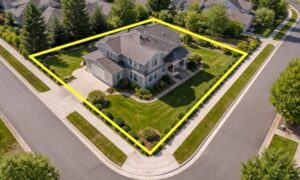
An ALTA survey follows strict standards set by the American Land Title Association and the National Society of Professional Surveyors. Unlike a basic boundary survey, it goes much deeper. It maps out property lines, easements, rights-of-way, improvements, and even zoning details.
If you’re just learning about the process, it helps to look at the official ALTA survey requirements. These guidelines explain what a surveyor must include, so you know exactly what to expect. In Salt Lake City, lenders and title companies often rely on ALTA surveys before approving financing. That way, you can be sure the property doesn’t come with hidden legal or physical problems.
Why ALTA Surveys Matter in Salt Lake City
Salt Lake City is one of the fastest-growing areas in the country. New businesses and housing developments keep pushing property values up. But growth also brings risk.
Older neighborhoods may have confusing property lines. Some properties include long-standing easements for driveways or utilities. And with the Wasatch Mountains on one side and the Great Salt Lake on the other, land conditions vary a lot. An ALTA survey brings clarity to these challenges.
ALTA Surveys Protect You from Title Issues
When you buy property, the last thing you want is a legal fight over land use. ALTA surveys show if your property has easements, encroachments, or shared access roads.
For example, in parts of Salt Lake City, a neighbor’s driveway may cross over your land. Without an ALTA survey, you might not even know about it until after closing. With the survey in hand, you avoid surprises and protect your rights.
ALTA Surveys Are Standard for Commercial Deals, But Useful for Homes Too
In Utah, most banks and lenders demand ALTA surveys for commercial property purchases. It’s a way to confirm the property matches the legal description in the title documents.
But residential buyers in Salt Lake City benefit as well. Imagine buying a home in Sugar House, only to learn later that a fence sits several feet inside your lot. A simple ALTA survey could prevent that headache.
ALTA Surveys Follow National Standards
Every ALTA survey follows one set of national guidelines. That means you can trust the information no matter who orders it.
In Salt Lake City, surveyors licensed in Utah apply these standards consistently. This level of detail gives confidence to buyers, sellers, lenders, and title companies. Everyone knows they are working with a reliable map of the property.
Ordering ALTA Surveys Early Saves Time and Money
Many buyers wait until the last stage of closing to order an ALTA survey. That mistake can cause big delays.
Let’s say you’re about to close on a retail property downtown, and the survey shows an encroachment from a nearby building. Suddenly, you’re stuck waiting weeks while attorneys sort it out. That’s why it’s smarter to order an ALTA Land Title Survey early. By doing it up front, you catch issues before they turn into costly setbacks. In Salt Lake City’s fast-paced market, every week counts.
ALTA Surveys Show More Than Boundaries
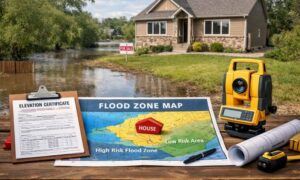
A boundary survey stops at lot lines. An ALTA survey goes further. It lists improvements, zoning details, and even flood zone risks.
This is critical in Salt Lake City, where parts of the valley sit in potential flood zones. If you plan to renovate or expand, the ALTA survey shows whether zoning rules allow it. That helps you make smart decisions before you spend money on designs or permits.
The Process of Getting an ALTA Survey in Salt Lake City
Ordering an ALTA survey in Utah is simple. First, you hire a licensed land surveyor. They will research public records, visit the site, and collect measurements. Then they prepare a detailed survey map.
The process usually takes one to three weeks, depending on the property size. In Salt Lake City, either the buyer or lender often pays for the survey. However, who pays can be negotiated as part of the purchase agreement.
Why Local Expertise Matters
Salt Lake City has its own mix of zoning codes, terrain, and development rules. Not every surveyor understands these local details. That’s why it’s important to hire a Utah-licensed land surveyor with experience in the Salt Lake area.
A local expert knows the challenges of mountain slopes, older neighborhoods, and changing city regulations. That insight makes your survey more accurate and your transaction smoother.
Conclusion
Buying property in Salt Lake City is a big step, and you want to get it right. ALTA surveys give you the clear picture you need before closing. They protect you from title issues, help with zoning, and uncover risks you may not see at first.
Order your ALTA survey early, work with a local expert, and move forward with confidence. With the right information in hand, you can enjoy your investment without worrying about hidden surprises.
Common Questions Buyers Ask
Do I really need one for a house?
– Not always, but it’s a smart move if the property has shared driveways, fences, or is part of an HOA.
How much do ALTA surveys cost in Salt Lake City?
– Prices vary based on property size and complexity. A small residential lot costs much less than a large commercial site.
How long does it take?
– Most surveys are complete within a few weeks, but order early to avoid delays.
Who requires it?
– Banks, title companies, and city regulators often request ALTA surveys before closing.