Ordering a title survey may sound easy. You contact a surveyor, they visit the site, and you receive a map. Still, the accuracy of that map depends on what happens long before the surveyor arrives. When documents are missing, access is blocked, or boundaries are misunderstood, the process slows down. Revisions then become more likely.
In a fast-growing area like Herriman, preparation plays a big role. Properties change, records add up, and new improvements appear over time. This guide explains how owners, buyers, and developers can prepare before ordering a title survey, so the results stay clear and reliable from the start.
Why Preparation Matters Before a Title Survey Begins
A title survey connects property records with what exists on the land today. Because of that, surveyors rely on both paperwork and site access. When either one is missing, questions come up quickly.
Most delays do not come from major problems. Instead, they come from small gaps, such as missing paperwork or locked areas. When clients prepare early, surveyors spend less time tracking down details. As a result, the work moves forward with fewer stops and fewer changes.
Documents Surveyors Need Before Field Work Starts
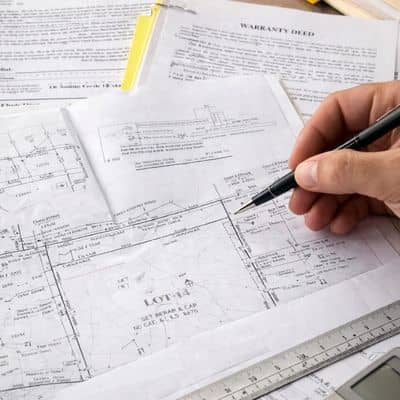
Surveyors do not always have direct access to every property record. Several key documents usually come from the title company or the client. Providing them early helps avoid confusion later.
The title commitment shapes the title survey. It lists easements, access rights, and other recorded items that must appear on the map. When this document arrives late or includes old information, surveyors may need to revise the survey after work has already started.
Deeds and legal descriptions also matter more than many people expect. Properties often have more than one deed due to past changes. Surveyors compare these descriptions to understand how the land changed over time. If you already have copies of older deeds, sharing them helps speed up the review.
Older surveys and plats can also offer helpful background. However, they do not replace a new title survey. Conditions change, and records do not always match. Surveyors use older surveys as references, not shortcuts, so sending them early still helps.
Why Property Access Often Causes Delays
Access issues slow down title surveys more than most people realize. Even when paperwork is complete, limited access can prevent surveyors from seeing important features.
Surveyors need to walk the full property. Locked gates, blocked areas, or pets can stop them from reaching certain spots. When surveyors cannot see the whole site, they may miss details that affect the final map.
Shared areas also matter. Many properties have shared driveways, access lanes, or borders with open space. Surveyors often need clear views near these edges. Cars, fences, or landscaping can block those views and slow the work.
Recent site changes create another common issue. New fences, grading, retaining walls, or utility work affect how features sit near boundaries. Clients often forget to mention these updates because they seem obvious. Still, surveyors need that information to understand what they see on site.
Boundary Assumptions That Complicate a Title Survey
Boundaries cause stress because people trust what they see. However, visual clues can be misleading. Fences rarely sit exactly on legal property lines. They are usually placed for convenience, not accuracy. Lot shapes may also look simple, even when legal descriptions are more complex.
Corner markers add to the confusion. Over time, landscaping, construction, or erosion can hide or remove them. When markers are missing, surveyors must rely on more records and measurements.
A title survey checks these assumptions by comparing records with real site conditions. When clients understand this, they approach the process with clearer expectations and fewer surprises.
What a Title Survey Is Not Designed to Do
Clear expectations help the process go smoothly. A title survey shows conditions, but it does not solve every issue tied to a property.
It does not move property lines. It does not remove easements. It does not settle disagreements between neighbors. Instead, it shows how recorded rights and physical features line up at the time of the survey.
Knowing this helps clients trust the results and avoid frustration.
How Preparation Leads to Cleaner Survey Results
When clients prepare well, surveyors spend less time fixing gaps and more time producing accurate results. Documents arrive on time. Access stays open. Site changes are clear.
Because of this, the title survey often needs fewer revisions. Title companies receive clearer information. Buyers and lenders gain confidence sooner. The process becomes easier for everyone involved.
Final Thoughts on Getting Ready for a Title Survey
Ordering a title survey is an important step in any property deal. Still, the work begins earlier. By organizing documents, planning access, and understanding boundaries ahead of time, you support accurate results from day one.
In Herriman’s growing landscape, preparation protects your timeline and reduces stress. When you take an active role before the survey begins, the entire process becomes smoother, clearer, and more dependable.