Big road projects look simple from the outside. You drive past and see crews working, machines moving, and lanes shifting. It feels organized. Still, that smooth look takes a lot of coordination behind the scenes.
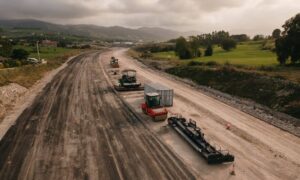
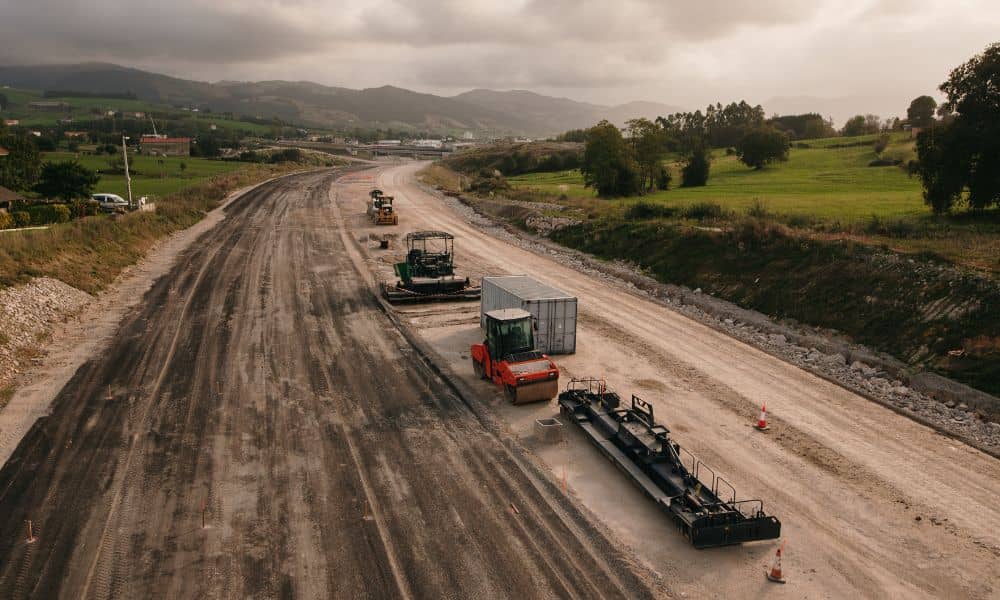
Right now, the Utah Department of Transportation is building a new freeway connection in Lehi. The project includes bridges, road links, and shared paths. Work happens across a wide area, and many teams move at the same time. Because of that, even small missteps can slow everything down.
A drone survey helps teams stay in sync while the work moves forward. It gives a clear view of the site as it changes, so crews don’t rely on guesswork.
Why Projects Like This Get Hard to Manage
A freeway job is never just one task. Different crews handle different parts of the site. Some shape the ground. Others build structures. Another group manages access and traffic nearby.
All of that happens at once.
At the same time, the site keeps changing. Dirt moves. Slopes shift. New areas open while others close. If one team works from old information, problems start right away. A truck may block access. A crew may start work in the wrong spot. Another team may need to stop and wait.
These issues don’t look big at first. Still, they stack up fast. Delays grow. Costs follow.
How a Drone Survey Keeps Work Moving
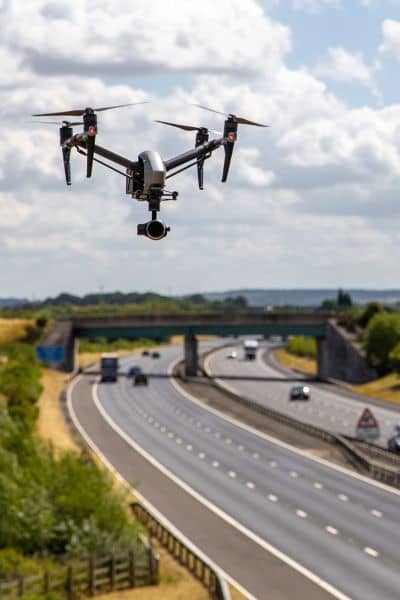
A drone survey gives teams a simple way to see the full site from above. More importantly, it shows what has changed since the last update.
That helps crews make better choices.
Instead of long calls or reports, teams can look at fresh images and maps. Everyone sees the same layout. That cuts down confusion and keeps work steady.
On a job like the Lehi freeway build, that shared view matters. With many moving parts, clear updates help crews stay aligned.
Seeing Progress Without Slowing the Job
Construction doesn’t move in a straight line. Some areas move fast, while others take longer to finish.
A drone survey helps make those differences easier to spot. Teams can check the site week by week and see what has actually changed since the last update. When one part of the job starts to slow down, it shows up early instead of being noticed too late.
That early visibility helps crews adjust before small delays grow into bigger problems. It also gives project leaders a clearer picture of how the work is moving overall. That’s where a drone survey for tracking project progress really comes in handy, since it keeps everyone focused on real site conditions instead of assumptions.
Helping Field Crews and Office Teams Work Together
Field crews spend all day on site. Office teams don’t. That gap often causes confusion.
A drone survey closes that gap.
Images and maps give office teams a clear look at the site. They don’t need long updates to understand what’s going on. At the same time, field crews can show their progress without stopping work for meetings.
This makes communication easier. It also helps when many contractors work on the same project.
Why This Matters for Local Projects in Lehi
The freeway project is large, but the same issues show up on smaller sites.
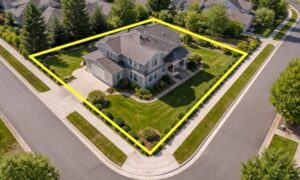
A commercial build may have tight deadlines. A large lot may need careful grading. A multi-phase project may bring in different crews at different times.
Once a site grows in size, it becomes harder to track everything by memory or notes.
A drone survey gives a steady view of the whole area. It helps owners and builders stay in control without slowing the job down.
When Builders Use Drone Survey During a Project
Timing plays a big role in how useful a drone survey can be.
Before work starts, it shows the starting condition of the site. During construction, it tracks changes as they happen. At key points, it records progress so teams can plan what comes next.
Used this way, it becomes part of the process instead of a one-time step.
What Makes Drone Survey Data Worth Using
Not every drone flight gives helpful results.
Some images look good but don’t help with decisions. On active sites, teams need more than pictures. They need clear, accurate data that matches real conditions.
A strong drone survey focuses on that. It provides updates that crews can use right away. It also stays consistent, so teams can compare changes over time.
Without that, the data doesn’t add much value.
How This Plays Out on the Lehi Freeway Build
The Lehi project shows how useful this can be.
Crews work on bridges, road links, and access areas at the same time. The layout shifts often, and space needs to stay clear for equipment.
A drone survey helps teams see how each part fits together. It shows what’s done, what’s in progress, and what comes next.
That clear view helps reduce confusion. It also keeps work moving in the right order.
Why More Builders Are Turning to Drone Survey
More projects now depend on fast updates. Teams want to see real progress, not just hear about it.
A drone survey gives that view.
It saves time on site checks. It helps spot issues early. It also supports better planning across different crews.
For a growing area like Lehi, that matters. Projects move fast, and delays can affect more than one site.
What This Means for Your Project
The freeway build shows how much coordination large projects need. Even smaller jobs face the same pressure once they involve multiple steps.
A drone survey helps you keep track of those moving parts.
It gives you a clear view of the site, helps crews stay aligned, and supports better decisions as work moves forward.
That kind of clarity can keep a project on track from start to finish.