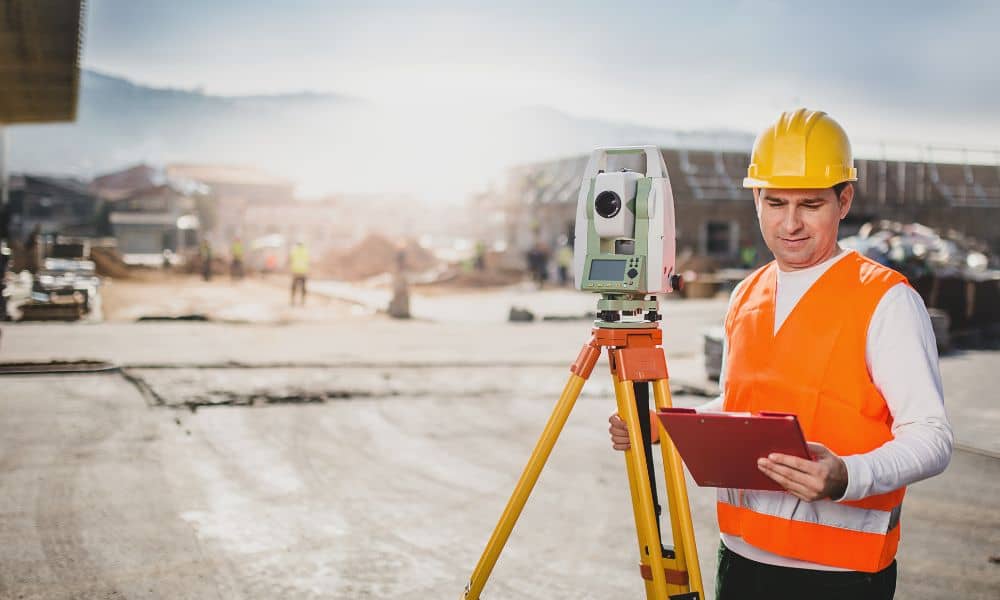
In February 2026, the updated ALTA/NSPS standards replaced the 2021 version. That may sound like inside industry news. However, this change affects buyers, lenders, and developers across the country. Most property buyers do not know these standards have changed. They think an ALTA survey today looks the same as it did a few years ago. That is no longer true. If your ALTA Surveyor does not follow the new 2026 standards, your closing could face delays, extra review, or even rejection from a lender. Because of that, understanding what changed now matters more than ever.
What the 2026 ALTA Standards Actually Changed
The 2026 update did not change everything. Instead, it made the rules clearer and more consistent across the country. As a result, lenders and title companies now expect stronger documentation.
One big change involves utility documentation. Utilities often create hidden problems. Power lines, gas lines, water mains, and internet lines can limit how you use land. Therefore, the new standards focus more on showing both visible and record-based utility evidence.
An ALTA Surveyor must clearly show visible utility features such as meters, poles, and boxes. In addition, the survey must include available information from utility providers when supplied. This helps developers plan better. At the same time, lenders gain a clearer picture of possible limits on the property.
Another key change involves encroachments. Encroachments happen when structures or improvements cross property lines or easements. A fence might sit over the boundary. A parking lot could extend into a neighbor’s land. Under the 2026 standards, the ALTA Surveyor must document these issues with more detail.
This protects buyers before closing. Instead of finding a boundary problem later, you can deal with it early. You might renegotiate the price or ask for a fix. As a result, stronger encroachment reporting lowers the chance of future disputes.
The update also clarified Relative Positional Precision, or RPP. While the name sounds complex, the idea is simple. RPP explains how accurate the measurements must be. Clearer rules mean better accuracy.
Precision matters for title insurance and financing. If measurements are unclear, lenders may ask for changes. Because the 2026 standards explain these rules more clearly, survey quality stays more consistent.
How This Impacts Your Commercial Property Closing

Now let’s talk about your deal.
Lenders depend on ALTA surveys to review risk. They check boundaries, access, easements, and improvements. If a survey does not meet the 2026 standards, the lender may reject it. That can cause delays and added costs.
Title insurance also depends on the survey. Title companies give coverage based on what the survey shows. If details are missing, coverage may change. For example, an unclear encroachment could limit protection.
Therefore, a survey that follows the new standards supports stronger title coverage. It also helps the closing process move faster.
Delays cost money. Contractors may wait to start work. Interest rate locks may expire. Tenants may delay move-in dates. Even small survey corrections can slow everything down.
However, when an experienced ALTA Surveyor follows the 2026 standards from the start, the process moves more smoothly. You avoid surprises. You reduce back-and-forth changes. Most importantly, you protect your timeline.
Your surveyor does more than measure land. Your surveyor protects your closing.
Why Hiring an Experienced ALTA Surveyor Matters More in 2026
Not every land surveyor handles ALTA surveys often. Residential boundary work is different from commercial transactions. ALTA surveys require close review of title documents and strong coordination with title companies.
Table A items are optional services often requested by lenders. These may include zoning details, utility information, or access confirmation. Because lenders often request specific items, experience becomes very important.
An experienced ALTA Surveyor understands how to read title commitments and legal descriptions. They know how to work with title officers. As a result, they reduce revisions and avoid confusion.
Before hiring a surveyor, ask simple questions. Are you using the 2026 ALTA standards? How do you work with title companies? What Table A items are common in this area?
These questions help you see whether the surveyor truly understands commercial transactions.
What This Means for Buyers in South Jordan and Nearby Utah Markets
South Jordan and nearby Utah areas continue to grow. Commercial projects expand. Mixed-use developments increase. Investors buy land for future plans. Because of this growth, deals often move quickly.
In growing markets, small survey mistakes can cause big problems. Shared access agreements, subdivision changes, and redevelopment projects add complexity.
The updated 2026 standards bring more clarity to these transactions. Clear encroachment reporting helps prevent boundary conflicts. Stronger utility documentation supports better planning. Better measurement standards reduce confusion.
For buyers, this means better protection during due diligence. When an ALTA Surveyor applies the updated standards correctly, you see risks before closing.
That knowledge helps you make smart decisions instead of facing surprises later.
Final Takeaway:
The 2026 ALTA standards bring more clarity and consistency. They improve utility documentation, strengthen encroachment reporting, and clarify measurement rules.
A qualified ALTA Surveyor ensures the survey meets these updated standards. Early coordination reduces delays and keeps your closing on track.
If you are preparing for a commercial purchase or refinance, speak with an ALTA Surveyor early in the process to avoid last-minute complications.