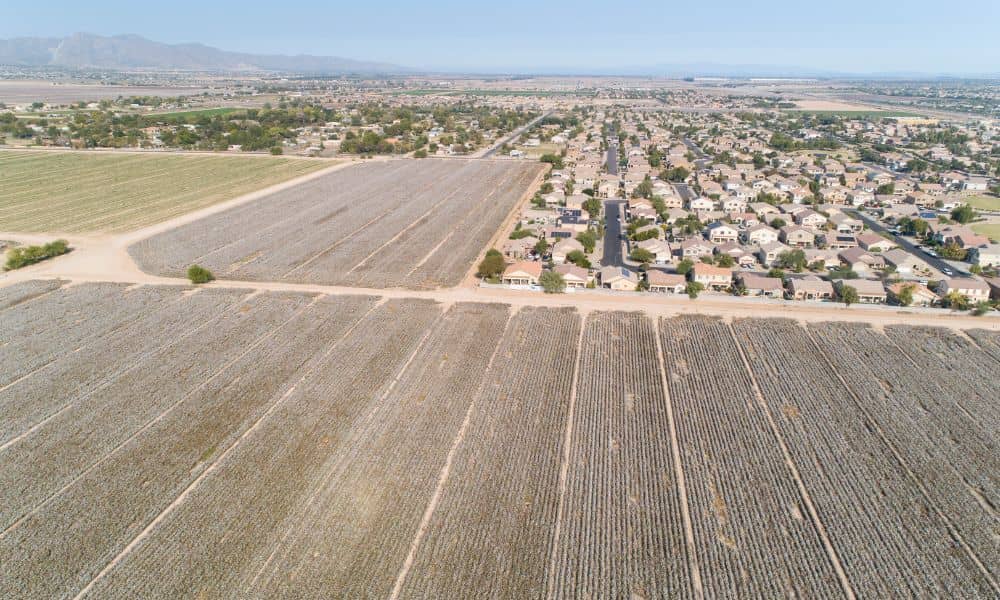
Herriman is growing faster than almost any city in Utah, and new neighborhoods keep appearing along the hills and open land. Because of this rapid development, many people are buying lots that look clean, measured, and ready for construction. However, even in these new communities, a subdivision survey becomes one of the most important steps before anyone builds or fences a property. It confirms what you truly own, and it protects you from costly surprises later.
As Herriman expands, the demand for accurate surveying grows with it. More builders enter the area, more land gets divided, and more homes rise in places that used to be open fields. With all this activity, mistakes happen. Corners get misplaced. Easements shift. Boundary lines look simple on paper but land differently on the ground. Because of this, a simple assumption—“It’s a new subdivision, so everything must be correct”—no longer works.
Herriman’s Fast Growth Brings New Opportunities and New Risks
Herriman’s housing boom brings excitement. New parks, roads, and schools attract buyers from all over Utah. And while this is great for the community, it also creates pressure on developers. They move fast. Survey crews stake lots quickly. Construction starts almost as soon as the plat gets approved. With so many moving parts, even a small error can spread through an entire street or block.
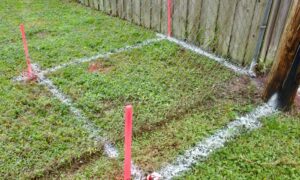
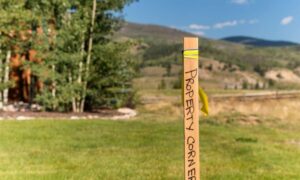
For example, a lot may appear square on a map, but the slope of the land makes the actual boundary shift by a few feet. Or a drainage easement may cut through a backyard, but it doesn’t show clearly in the marketing materials. In some cases, the corner monument—the small metal marker set by surveyors—gets buried during grading, and the new location never gets confirmed. These problems stay hidden until a homeowner tries to build a fence, add a shed, or extend a driveway.
This is why the boom increases the need for careful surveying. As more people move in, the chance of neighbor disputes grows. And as houses fill the hills, buildable areas shrink. Without clear boundaries, the risk becomes real for everyone.
What a Subdivision Survey Really Does for You
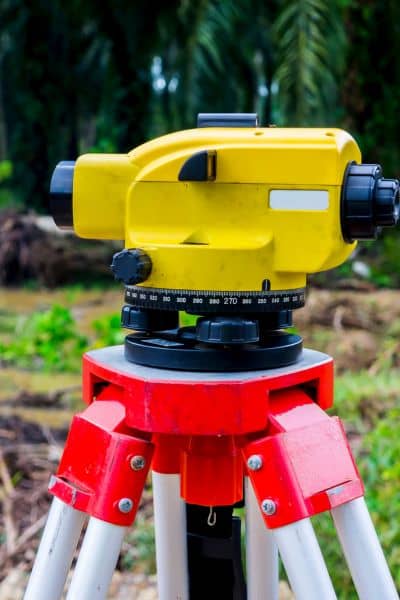
Many buyers assume that the recorded plat from the developer is good enough. It looks clean and official. It shows a lot of lines, easements, and dimensions. However, a plat is only part of the story. A subdivision survey verifies the actual ground conditions to ensure everything matches what’s on paper.
It shows:
- Where your true boundaries sit
- Where easements cross your property
- Which areas are safe for building
- Where utilities may run
- How slopes or natural features affect your lot
Although the plat gives a general layout, it cannot guarantee accuracy after grading or construction. The developer might cut into hills, fill low spots, or shift soil. These changes alter the land, and the only way to confirm the exact boundaries is through a real survey.
A subdivision survey also keeps you safe during construction. Builders rely on precise stakes to set foundations, driveways, and fences. If a stake sits even a foot off, the entire structure may violate setbacks. And in Herriman, where many lots sit on slopes, every inch matters.
Why Herriman’s Terrain Makes Accurate Surveys Even More Important
Herriman is not flat. Hills, ridges, and uneven ground shape much of the city. Because of this, boundaries do not always follow a perfectly straight line on the ground. A slight change in slope can shift how a lot is measured. In older, flatter suburbs, these shifts may not matter much. But in Herriman, even a small difference can affect how a home sits, where a retaining wall goes, or whether a driveway will pass inspection.
The land also influences drainage. Water flows differently on sloped terrain, which means engineers and surveyors must map easements and runoff paths with more care. A subdivision survey reveals these features before you break ground. And since many homeowners only learn about drainage rules after construction starts, having this information early prevents delays or expensive redesigns.
When Subdivision Surveys Catch Problems Early
Local surveyors often notice issues in new subdivisions. Some lots have corner markers buried by dirt moved during grading. Others have easements that don’t appear clearly in the developer’s flyer or lot drawing. In a few cases, the legal lot size differs from what buyers expect because the measurements changed during early construction.
These may seem like small problems at first. But they grow into bigger ones when two neighbors place fences in slightly different locations or when a builder pours a foundation too close to a setback line. Herriman has seen these conflicts rise as the number of new subdivisions increases. A survey done early stops these problems before they start.
There are also cases where homeowners discover, years later, that a portion of their yard isn’t actually theirs. This usually happens when the original buyer never ordered a subdivision survey and relied only on the marketing drawings. When land is new and the neighborhood is still forming, mistakes can pass through unnoticed. But once more homes fill the area, those mistakes become disputes.
The Smartest Time to Get a Subdivision Survey
Because Herriman is growing so fast, the best time to get your survey is before you make any big decisions. Ideally, order it before closing on the lot. If that’s not possible, make sure you have one before your builder stakes the foundation or the fence company comes to install panels.
A subdivision survey helps you lay out your home more confidently. It gives your builder correct offsets and keeps them from placing structures near easements or setback lines. It also guides your landscaper when placing retaining walls, trees, or irrigation systems.
Even if your home is already built, you still benefit from a survey. For example, if you plan to add a deck, pour a patio, or extend your driveway, a survey keeps everything aligned with city rules. You avoid violations and protect your property value.
Herriman’s Boom Won’t Slow Down, So Protect Yourself Early
Herriman continues to grow, and more subdivisions will appear in the coming years. With this growth comes opportunity, but also risk. A subdivision survey gives you clarity before you invest your time, money, and energy into building your home.
As the city changes, every homeowner needs a clear understanding of their land. And with so many new developments rising on hills and uneven terrain, that clarity becomes even more important. With a survey, you avoid disputes, prevent construction mistakes, and start your Herriman project with confidence.
If you plan to buy or build, now is the time to secure your subdivision survey. It’s a small step that saves you from major problems—especially in a city that’s growing this fast.