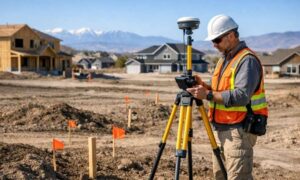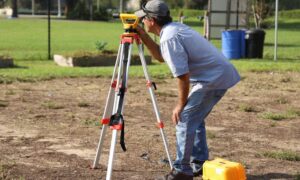

A residential boundary survey plays a key role in understanding property limits, especially in areas where growth is accelerating. In Salt Lake, ongoing housing demand and zoning changes are reshaping how land is used across long-established neighborhoods. As more properties are updated, subdivided, or repurposed, boundaries that once seemed clear can quickly become uncertain. With increased development activity, even small discrepancies between assumed and actual lot lines are becoming more noticeable—and more important to resolve early.
How city growth creates more boundary confusion
Growth changes more than skylines. It changes how often people look closely at their property lines. A homeowner may add a fence, garage, driveway, or accessory structure. A developer may assemble parcels or rework access. A buyer may discover that a long-used yard area is not actually part of the lot.
That is why boundary issues tend to surface during active periods of change. Salt Lake City’s current planning efforts are aimed at expanding housing choices in more neighborhoods, and that kind of policy shift usually leads to more remodeling, infill, and site planning activity. When more people start building or adjusting lot use, assumptions about lot lines get tested.
Why older lots and new plans do not always match
In older neighborhoods, the lines on paper and the conditions on the ground are not always perfectly aligned. Fences move. Landscaping expands. Sheds get added. Driveways get widened. Over time, neighbors may begin treating a visible edge as the true boundary even when no one has confirmed it.
That problem becomes more serious when a property changes hands or a new project begins. Salt Lake’s subdivision code updates were intended to improve how subdivision rules are administered, which shows how important lot configuration and land division remain in a growing city. Even when owners have deeds, plats, or old sketches, those records do not always answer the practical question of where the boundary sits today on the ground.
Where property line mistakes show up during improvements
Many property line problems do not appear during daily use. They appear when money is about to be spent.
A few common moments include:
- building a fence or wall
- adding a garage, shed, or ADU
- widening a driveway or access point
- planning drainage or grading work
- preparing land for sale or redevelopment
These are the moments when inches start to matter. A project that looks simple can stall once a contractor, city reviewer, or neighbor asks where the line actually is. In a city that is trying to create more housing opportunities, even small lot changes can have bigger consequences for setbacks, access, and design decisions.
Why a property line survey helps before work begins
A property line survey gives owners something better than assumption. It shows where the boundary can be identified and marked based on survey evidence, records, and field work. That clarity helps owners make decisions before they commit to construction, design, or negotiations with a neighbor.
It can also reduce friction. Instead of debating where a fence “has always been,” both sides can work from verified information. That is especially important in places where growth increases pressure on side yards, shared access, parking areas, and additions.
For owners planning changes, this is where a property boundary survey before building becomes a practical step, not just a legal one. It can help prevent redesigns, delays, and disputes that often cost more than the survey itself.
What owners in Salt Lake should do next
Salt Lake’s growth is changing how properties are used, especially in established neighborhoods where boundaries may not have been questioned for years. As more homeowners plan improvements or explore development options, having clear and verified lot lines becomes more important.
If you are preparing to build, sell, or make changes to your property, it helps to start with accurate information. Working with expert land surveying services gives you a clear understanding of your boundaries and helps prevent issues that could delay your plans later on.
Taking this step early allows you to move forward with confidence. Instead of relying on assumptions or outdated markers, you’ll have reliable data that supports better decisions and smoother project planning.